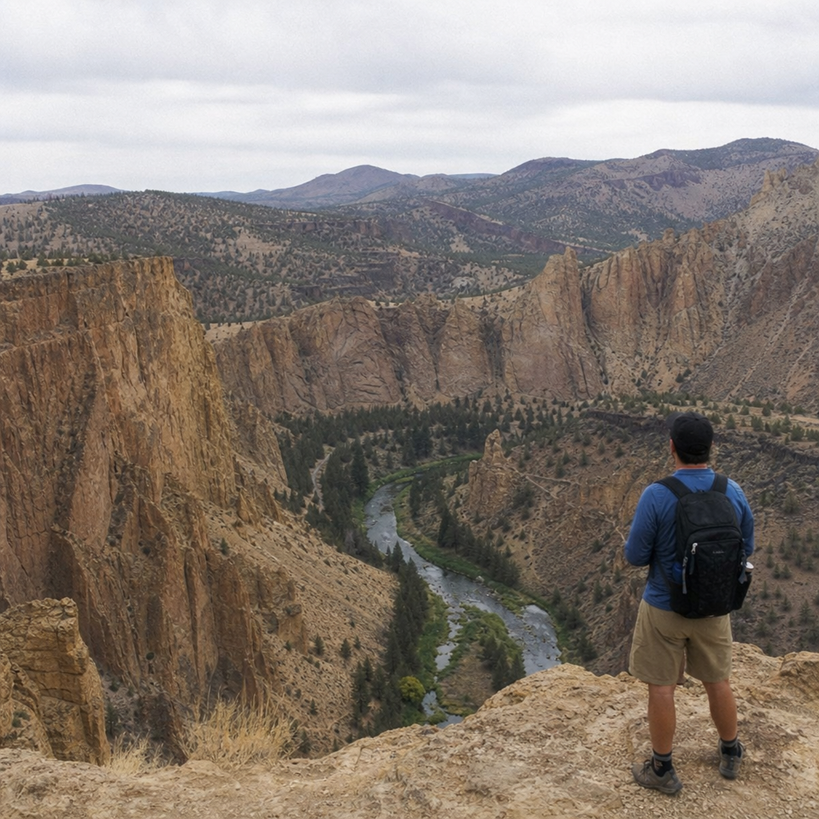
You do not have to leave the country to find landscapes that feel surprising, cinematic, and refreshingly uncrowded. Some of the best trips in America are hiding just beyond the obvious bucket-list stops: volcanic moonscapes in Idaho, barrier islands off Georgia, glacier-carved lakes in Minnesota, fossil reefs in Texas, and desert badlands in New Mexico that look more like another planet than a weekend getaway.
This list of underrated travel destinations in the US focuses on places with a strong sense of place, memorable scenery, and enough activities to build a real itinerary around. Some are national parks that deserve more attention. Others are protected wilderness areas, small regions, or quirky travel destinations that reward travelers willing to drive a little farther, take a ferry, or swap crowds for quiet.
1. Great Basin National Park, Nevada
Great Basin is one of the most underrated travel destinations in the US for travelers who want mountains, caves, ancient trees, and dark skies without the national-park traffic jam. Located in eastern Nevada near the Utah border, it feels remote in the best possible way: quiet roads, huge horizons, and starry nights that make you slow down.
The park rises from sagebrush foothills to Wheeler Peak, a 13,063-foot summit, and includes Lehman Caves, alpine lakes, bristlecone pines, and dozens of miles of trails. Great Basin is also recognized for especially dark night skies, with ranger-led astronomy programs during much of the summer season. (nps.gov)
Why it belongs on your list: You can spend the morning underground in a marble cave, hike among some of the oldest living trees on Earth in the afternoon, and watch the Milky Way after sunset.
Best for: Stargazers, hikers, road trippers, geology lovers, and travelers who like solitude.
2. Apostle Islands National Lakeshore, Wisconsin
Apostle Islands feels like a secret Great Lakes version of a coastal island adventure. Instead of ocean spray, you get Lake Superior’s powerful moods, red sandstone cliffs, sea caves, beaches, lighthouses, and forested islands. The national lakeshore includes 21 islands and 12 miles of mainland shoreline near Bayfield, Wisconsin, and it is known for sea caves, sandy beaches, and one of the largest lighthouse collections in the National Park System. (nps.gov)
The sea caves are the main draw. Centuries of waves, freezing, and thawing have carved arches, chambers, and passageways into sandstone cliffs; in summer, many visitors see them by boat or kayak, while winter ice-cave access depends on safe conditions. (nps.gov)
Why it belongs on your list: It delivers island-hopping energy in the Midwest, with scenery that changes dramatically by season.
Best for: Kayakers, lighthouse fans, photographers, campers, and travelers looking for hidden travel gems in the Great Lakes region.
3. Chiricahua National Monument, Arizona
Chiricahua National Monument is often described as a “Wonderland of Rocks,” and the nickname fits. This southeastern Arizona landscape is filled with towering rhyolite pinnacles, balanced rocks, mountain views, and winding trails that feel more like a fantasy film set than a typical desert hike.
The monument preserves rock formations shaped by volcanic forces, including pinnacles that can rise hundreds of feet and formations created from rhyolite tuff after a major eruption roughly 27 million years ago. (home.nps.gov)
Why it belongs on your list: It is one of those unique travel places where the scenery is instantly memorable, but the crowds are usually far lighter than at Arizona’s headline attractions.
Don’t miss: The scenic drive to Massai Point, Echo Canyon, and the Heart of Rocks Loop if you are prepared for a longer, more strenuous hike.
Best for: Hikers, desert-road-trip planners, photographers, birders, and anyone collecting offbeat travel spots in the Southwest.
4. Cumberland Island National Seashore, Georgia
Cumberland Island is where wild beaches, maritime forests, marshes, ruins, and feral horses create one of the most atmospheric coastal escapes in the country. Reached by ferry from St. Marys, Georgia, the island immediately feels removed from everyday life.
Cumberland is Georgia’s largest and southernmost barrier island, with little commercial development and a mix of salt marsh, maritime forest, beach, dunes, and freshwater systems. (nps.gov)
Why it belongs on your list: It combines the mood of an untouched beach getaway with the texture of history and wilderness. You can walk beneath live oaks draped in Spanish moss, explore the Dungeness ruins, and then continue to a broad Atlantic beach that feels miles away from resort crowds.
Plan ahead: Ferry reservations and camping permits can matter, especially for overnight trips. This is not a spontaneous boardwalk beach; that is part of the appeal.
Best for: Slow travelers, beach hikers, campers, history lovers, and couples seeking a quiet coastal escape.
5. Bisti/De-Na-Zin Wilderness, New Mexico
If your dream trip includes alien rock formations, open desert silence, and a little navigational challenge, Bisti/De-Na-Zin Wilderness should be on your radar. This Bureau of Land Management wilderness area in northwestern New Mexico is one of the strangest and most photogenic hidden travel gems in the Four Corners region.
The landscape is a rolling expanse of badlands with hoodoos, spires, cap rocks, and fossil-bearing sedimentary formations shaped by time and weather. The BLM describes it as some of the most unusual scenery in the Four Corners region. (blm.gov)
Why it belongs on your list: It is raw, quiet, and surreal. There are no big visitor facilities inside the wilderness, so the experience feels adventurous and unfiltered.
Travel tip: Bring navigation tools, sun protection, water, and a flexible sense of timing. Sunrise and sunset are especially rewarding for photography.
Best for: Photographers, geology fans, experienced desert hikers, and travelers searching for truly quirky travel destinations.
6. North Cascades National Park, Washington
North Cascades has the alpine drama of a famous mountain park, but it still feels wild, steep, and relatively under-the-radar compared with many western icons. Think jagged peaks, glacier-fed lakes, deep valleys, and highway pullouts that look like postcards.
The North Cascades National Park Service Complex contains more than 300 glaciers and countless snowfields, making it the most heavily glaciated area in the United States outside Alaska. (nps.gov)
Why it belongs on your list: It is one of the best underrated travel destinations in the US for travelers who want serious mountain scenery without building an entire trip around one crowded viewpoint.
Don’t miss: Diablo Lake overlooks, Cascade Pass if conditions and fitness allow, and the drive along the North Cascades Highway.
Best for: Mountain hikers, scenic drivers, backpackers, landscape photographers, and travelers who like rugged nature more than resort-style amenities.
7. Black Canyon of the Gunnison National Park, Colorado
Colorado has no shortage of famous mountain destinations, which may be why Black Canyon of the Gunnison still feels like a surprise. The canyon is dark, narrow, deep, and dramatic, with sheer walls that plunge toward the Gunnison River.
The canyon reaches 2,722 feet deep at Warner Point, narrows to 40 feet at the river at The Narrows, and stretches 48 miles total, including 14 miles within the national park. (nps.gov)
Why it belongs on your list: It is compact enough for a shorter visit but dramatic enough to anchor a road trip through western Colorado.
What to do: Drive the South Rim Road, stop at Painted Wall View, hike Warner Point Nature Trail, or plan a more demanding inner-canyon route only if you have the skills and information required.
Best for: Canyon lovers, road trippers, photographers, geology buffs, and anyone who wants a powerful landscape without Grand Canyon-scale crowds.
8. Voyageurs National Park, Minnesota
Voyageurs is a water-based national park, which makes it feel different from the classic drive-up viewpoint experience. Located near the Canadian border, it is a maze of lakes, islands, boreal forest, rocky shorelines, and big northern skies.
The park contains 84,000 acres of water, more than 500 islands, and 655 miles of undeveloped shoreline. Water-based travel is the primary way to experience the park, whether by motorboat, canoe, kayak, sailboat, or houseboat. (nps.gov)
Why it belongs on your list: It is ideal for travelers who want their itinerary to slow down: paddle, fish, camp, watch the sky, repeat.
Bonus: Voyageurs is also a strong night-sky destination, and northern lights can appear when conditions cooperate. (home.nps.gov)
Best for: Paddlers, houseboat travelers, anglers, stargazers, families, and summer adventurers seeking unique travel places in the Upper Midwest.
9. Tallgrass Prairie National Preserve, Kansas
Prairie can be easy to underestimate until you stand in the middle of it and realize how alive it is. Tallgrass Prairie National Preserve in the Kansas Flint Hills protects a rare remnant of a once-vast ecosystem, and it rewards travelers who appreciate subtle landscapes, big skies, wildflowers, bison, and quiet trails.
Tallgrass prairie once covered about 170 million acres of North America, but less than 4 percent remains intact today, mostly in the Kansas Flint Hills. The preserve protects a nationally significant piece of that ecosystem. (nps.gov)
Why it belongs on your list: It shifts your idea of what a scenic destination can be. Instead of cliffs and peaks, the drama is in the wind, light, grass, and horizon.
What to do: Walk the trails, tour historic ranch buildings, look for bison from a safe distance, and visit in spring or fall for comfortable weather.
Best for: Slow travelers, birders, history lovers, families, and anyone seeking peaceful offbeat travel spots.
10. Craters of the Moon National Monument and Preserve, Idaho
Craters of the Moon is exactly the kind of place that makes people say, “I had no idea this was in the US.” The landscape is a vast field of black lava, cinder cones, sagebrush, spatter cones, lava tubes, and strange textures that look freshly cooled from another world.
The monument features the largest young lava field in the lower 48 states and encompasses the Great Rift volcanic zone. Its lava field formed during eight major eruptive periods over the past 15,000 years, with the most recent activity roughly 2,000 years ago. (nps.gov)
Why it belongs on your list: It is one of the best quirky travel destinations for geology lovers and families who want a trip that feels educational without being boring.
Don’t miss: Inferno Cone, the Spatter Cones, North Crater Trail, and lava tube caves when open and safe to enter.
Best for: Geology fans, families, road trippers, stargazers, and travelers exploring southern Idaho.
11. Congaree National Park, South Carolina
Congaree is underrated because it does not fit the typical national-park fantasy of mountains, canyons, or desert arches. Its magic is quieter: towering trees, floodplain forest, boardwalk trails, paddling routes, bird calls, and seasonal fireflies.
The park protects the largest intact expanse of old-growth bottomland hardwood forest remaining in the southeastern United States, with waters from the Congaree and Wateree Rivers nourishing the floodplain ecosystem. (nps.gov)
Why it belongs on your list: It offers a moody, immersive, almost primeval forest experience within reach of Columbia, South Carolina.
What to do: Walk the Boardwalk Loop, paddle Cedar Creek, visit during cooler months for comfortable hiking, or plan carefully around seasonal insect activity.
Best for: Paddlers, birders, tree lovers, families, and travelers who want underrated travel destinations in the US that are easy to pair with a city trip.
12. Organ Pipe Cactus National Monument, Arizona
Organ Pipe Cactus National Monument is a remote Sonoran Desert destination with sculptural cacti, desert mountains, scenic drives, and gorgeous sunsets. It is one of those unique travel places that asks you to look closely: what seems empty at first becomes full of texture, wildlife, light, and adaptation.
The monument is an International Biosphere Reserve and is noted as the only place in the United States where large stands of organ pipe cactus grow naturally. (nps.gov)
Why it belongs on your list: It gives travelers a deeper Sonoran Desert experience than a quick stop near a major city.
What to do: Drive Ajo Mountain Drive, hike Desert View Trail, camp under desert stars, and visit in cooler months when hiking is more comfortable.
Best for: Desert lovers, photographers, snowbirds, plant enthusiasts, and road trippers seeking hidden travel gems near the US-Mexico border.
13. New River Gorge National Park and Preserve, West Virginia
New River Gorge has become better known since becoming a national park and preserve, but it still feels underrated compared with the outdoor icons of the West. Here, forested cliffs, whitewater, coal-town history, waterfalls, and one of the country’s most recognizable bridges come together in southern West Virginia.
The park encompasses more than 70,000 acres along the New River, a rugged whitewater river that is among the oldest rivers on the continent. (nps.gov)
Why it belongs on your list: It offers adventure without requiring a flight to the Rockies: rafting, climbing, hiking, mountain biking, and scenic overlooks are all part of the experience.
Don’t miss: Long Point Trail for a bridge view, Endless Wall Trail for cliffside scenery, and Sandstone Falls for a broader look at the river.
Best for: Adventure travelers, East Coast road trippers, rafters, climbers, hikers, and families with active teens.
14. City of Rocks National Reserve, Idaho
City of Rocks is a granite playground in southern Idaho, where spires, domes, boulders, old wagon-route history, and big western skies create a destination that feels both wild and welcoming. It is especially beloved by rock climbers, but you do not have to climb to enjoy it.
California Trail emigrants described the area as a city of tall spires and steeple rocks, and the reserve now draws hikers, campers, climbers, hunters, and scenery seekers. (home.nps.gov)
Why it belongs on your list: It is scenic, hands-on, and surprisingly varied, with rock formations that invite wandering and photography.
What to do: Hike among the formations, look for historic emigrant signatures, camp nearby, or book a climbing experience if you have the right skills or guide.
Best for: Climbers, families, campers, geology lovers, and travelers building a southern Idaho road trip around offbeat travel spots.
15. El Malpais National Monument, New Mexico
El Malpais means “the badlands,” but this western New Mexico landscape is beautiful in a stark, volcanic way. Expect black lava flows, cinder cones, sandstone bluffs, lava tubes, and sweeping views that feel far from the usual Southwest itinerary.
The monument includes five major lava flows and at least eight volcanic vents, along with young lava flows, cinder cones, lava tubes, and sandstone bluffs. (nps.gov)
Why it belongs on your list: It is a strong alternative or add-on to more famous New Mexico destinations, especially if you love geology and uncrowded scenic drives.
Don’t miss: Sandstone Bluffs Overlook, El Calderon Trail, and lava tube routes when open and appropriate for your experience level.
Best for: Road trippers, geology lovers, hikers, photographers, and travelers seeking unusual landscapes near Grants, New Mexico.
16. Dinosaur National Monument, Utah and Colorado
Dinosaur National Monument is much more than a fossil stop, though the fossils are spectacular. Straddling Utah and Colorado, it combines dinosaur bones, river canyons, petroglyphs, rafting, desert views, and remote backcountry.
Visitors can see more than 1,500 dinosaur fossils embedded in the cliff face inside the Quarry Exhibit Hall, while the Green and Yampa Rivers offer remote canyon rafting experiences. (nps.gov)
Why it belongs on your list: It is one of the best underrated travel destinations in the US for families because it blends science, adventure, and scenery in a way that feels exciting for multiple ages.
What to do: Visit the Quarry Exhibit Hall, see petroglyphs, drive scenic routes, and consider a guided river trip if you want a bigger adventure.
Best for: Families, fossil fans, rafters, road trippers, and travelers who want a destination with both learning and landscape.
17. Guadalupe Mountains National Park, Texas
Guadalupe Mountains National Park is often overshadowed by Big Bend, but it offers some of the best mountain hiking in Texas, plus desert scenery, fall color, fossil geology, and clear night skies.
The park protects the world’s most extensive Permian fossil reef, the four highest peaks in Texas, and a diverse mix of mountains, canyons, desert, dunes, and ecosystems. Guadalupe Peak reaches 8,751 feet, making it the highest point in Texas. (nps.gov)
Why it belongs on your list: It is a serious hiking destination with a fascinating ancient-sea backstory.
Don’t miss: Guadalupe Peak if you are ready for a strenuous hike, McKittrick Canyon for fall color, and Devil’s Hall for a shorter canyon experience.
Best for: Hikers, geology enthusiasts, Texas road trippers, national-park collectors, and travelers who enjoy rugged, no-frills landscapes.
18. Lassen Volcanic National Park, California
California’s national parks are famous, but Lassen still flies under the radar compared with Yosemite, Joshua Tree, or Sequoia. That is exactly why it belongs on this list. Lassen offers hydrothermal areas, volcanic peaks, clear lakes, meadows, forest, and trails with a fraction of the name recognition.
The park includes all four major types of volcanoes: shield, composite, cinder cone, and plug dome. Steam vents, boiling springs, and bubbling mudpots remain active reminders of the volcanic system beneath the landscape. (nps.gov)
Why it belongs on your list: It feels like a compact volcanic classroom wrapped in a mountain getaway.
What to do: Visit Bumpass Hell when accessible, hike Lassen Peak if conditions allow, explore Manzanita Lake, and drive the park highway for a broad overview.
Best for: Hikers, families, geology lovers, lake campers, and travelers looking for a quieter Northern California national park.
19. Sleeping Bear Dunes National Lakeshore, Michigan
Sleeping Bear Dunes is not exactly unknown, but outside the Midwest it remains underrated as a major scenic destination. Along Lake Michigan, the national lakeshore combines towering dunes, blue water, beaches, forests, inland lakes, historic farmsteads, and charming nearby towns.
The lakeshore includes miles of sand beach, bluffs that tower 450 feet above Lake Michigan, clear inland lakes, lush forests, and high dunes with broad lake views. (nps.gov)
Why it belongs on your list: It feels like a freshwater coastal escape, with sunsets that can rival oceanfront destinations.
Don’t miss: Pierce Stocking Scenic Drive, Empire Bluff Trail, the Dune Climb, and a beach picnic at sunset.
Best for: Families, couples, beach lovers, hikers, photographers, and travelers searching for unique travel places around the Great Lakes.
20. White Sands National Park, New Mexico
White Sands is visually famous but still underrated as a full travel experience. Many people see photos of the brilliant dunes without realizing how peaceful, playful, and otherworldly the park feels in person.
The park protects the world’s largest gypsum dunefield, an active and dynamic landscape of rare white gypsum sand in New Mexico’s Tularosa Basin. (nps.gov)
Why it belongs on your list: It is one of the most visually unique travel places in the country, and it works beautifully as part of a New Mexico road trip.
What to do: Walk the dunes near sunset, try sand sledding, hike the Alkali Flat Trail if conditions are safe, and bring sunglasses because the white sand can be intensely bright.
Best for: Photographers, families, road trippers, couples, and anyone who loves surreal desert landscapes.
21. Great Sand Dunes National Park and Preserve, Colorado
Great Sand Dunes is increasingly popular, but it still surprises travelers who associate Colorado only with ski towns and alpine peaks. Here, massive dunes rise against the Sangre de Cristo Mountains, creating one of the most unusual skyline combinations in the country.
The park’s centerpiece is the tallest dunes in North America, set within a varied landscape of grasslands, wetlands, forests, alpine lakes, and tundra. The park is also open year-round and does not require timed-entry reservations. (nps.gov)
Why it belongs on your list: It is both dramatic and playful: you can hike dunes, splash in seasonal Medano Creek, sandboard, stargaze, and then explore mountain trails.
Best for: Families, photographers, sandboarders, campers, national-park road trippers, and travelers who want Colorado scenery beyond the usual mountain towns.
22. Big Bend National Park, Texas
Big Bend is beloved by people who know it, but its remote location keeps it from becoming as casually visited as many other national parks. That distance is part of the magic. The park holds desert, mountains, canyons, hot springs history, river scenery, and some of the grandest open space in the lower 48.
Big Bend protects the largest protected area of Chihuahuan Desert in the United States and sits along the Rio Grande on the US-Mexico border. The Rio Grande forms more than 100 miles of the park’s southern boundary. (nps.gov)
Why it belongs on your list: It is remote, rugged, and expansive, making it ideal for travelers who want to truly feel away.
Don’t miss: Santa Elena Canyon, Chisos Basin, Ross Maxwell Scenic Drive, and a legal, properly planned visit to Boquillas del Carmen if available during your trip.
Best for: Desert hikers, road trippers, birders, photographers, and travelers seeking hidden travel gems with big skies.
23. Channel Islands National Park, California
Just off the coast of Southern California, Channel Islands National Park feels worlds away from the traffic and density of the mainland. Getting there requires a boat or plane, which helps preserve the feeling of isolation.
The park encompasses five islands and their surrounding ocean environment, protecting natural and cultural resources shaped by thousands of years of isolation. The islands support unique plants, animals, and archaeological resources found nowhere else on Earth. (nps.gov)
Why it belongs on your list: It is a rare chance to experience coastal California in a wilder, quieter form.
What to do: Hike on Santa Cruz Island, kayak sea caves with a guide, look for island foxes, snorkel in kelp forests, or camp if you are ready for a self-sufficient island stay.
Best for: Kayakers, wildlife watchers, campers, hikers, ocean lovers, and travelers who want an adventurous alternative to a standard California beach trip.
24. Great Sand Dunes, White Sands, or Bisti? How to choose your desert-style escape
If you are comparing these three offbeat travel spots, think about the kind of experience you want.
Choose Great Sand Dunes if you want a mountain-and-dune combination, family-friendly sandboarding, and a classic national park road-trip feel.
Choose White Sands if you want the most surreal, bright, minimalist landscape and an easier experience near Alamogordo and Las Cruces.
Choose Bisti/De-Na-Zin if you want something wilder, less developed, and more photography-focused, with fewer facilities and a stronger need for preparation.
All three are worth visiting, but they are not interchangeable. Great Sand Dunes feels big and kinetic. White Sands feels dreamlike and accessible. Bisti feels raw and exploratory.
25. How to plan a trip around underrated travel destinations in the US
A trip built around hidden travel gems usually needs a slightly different strategy than a trip built around famous cities or resort towns.
Start with access, not just scenery
Some underrated places are underrated because they take effort. Check whether you need a ferry, seasonal road access, a boat rental, a high-clearance vehicle, timed tours, permits, or advance campground reservations.
Build in buffer time
Remote landscapes are more vulnerable to weather, road closures, rough water, heat, snow, and limited services. A flexible day can turn a stressful trip into a memorable one.
Visit in shoulder seasons when possible
Spring and fall can be ideal for deserts, prairies, canyons, and many forest destinations. Summer may be best for high mountains and northern lakes, while winter can be beautiful in desert parks but challenging in snowy regions.
Respect the reason these places feel special
Many unique travel places are fragile. Stay on durable surfaces where required, avoid disturbing wildlife, pack out trash, follow local and federal rules, and do not remove fossils, rocks, plants, cultural objects, or artifacts.
Pair one famous stop with one underrated stop
If you are nervous about building an entire vacation around a lesser-known destination, combine it with a more familiar anchor. For example:
- Pair White Sands with Santa Fe, Las Cruces, or Carlsbad Caverns.
- Pair Guadalupe Mountains with Big Bend or Carlsbad Caverns.
- Pair Apostle Islands with a Lake Superior road trip.
- Pair Chiricahua with Tucson, Bisbee, or Saguaro National Park.
- Pair Black Canyon of the Gunnison with Colorado wine country or the San Juan Mountains.
- Pair Channel Islands with Santa Barbara, Ventura, or a wider Southern California coast trip.
26. Quick picks by travel style
If you are still deciding where to go, use these quick recommendations to match the destination to your travel personality.
Best for stargazing
- Great Basin National Park
- Voyageurs National Park
- Great Sand Dunes National Park and Preserve
- Craters of the Moon National Monument and Preserve
- Big Bend National Park
Best for families
- Dinosaur National Monument
- White Sands National Park
- Sleeping Bear Dunes National Lakeshore
- Craters of the Moon National Monument and Preserve
- Congaree National Park
Best for photographers
- Bisti/De-Na-Zin Wilderness
- Black Canyon of the Gunnison National Park
- White Sands National Park
- Apostle Islands National Lakeshore
- Chiricahua National Monument
Best for hikers
- North Cascades National Park
- Guadalupe Mountains National Park
- Lassen Volcanic National Park
- Big Bend National Park
- Black Canyon of the Gunnison National Park
Best for water-based trips
- Voyageurs National Park
- Apostle Islands National Lakeshore
- Channel Islands National Park
- Cumberland Island National Seashore
- Dinosaur National Monument
Best for quirky travel destinations
- Bisti/De-Na-Zin Wilderness
- Craters of the Moon National Monument and Preserve
- El Malpais National Monument
- Chiricahua National Monument
- Organ Pipe Cactus National Monument
27. Final thoughts: go where the crowds are not
The best underrated travel destinations in the US are not always empty, and they are not always easy. Some require long drives, early planning, ferry reservations, extra water, or a willingness to trade restaurants and nightlife for quiet trails and dark skies.
That tradeoff is exactly what makes them memorable.
If you are tired of repeating the same vacation ideas, start with one place on this list and build outward. Chase sea caves in Wisconsin, fossil reefs in Texas, lava fields in Idaho, barrier-island beaches in Georgia, or white gypsum dunes in New Mexico. The country is full of hidden travel gems; the only real trick is choosing the one that matches the trip you want next.