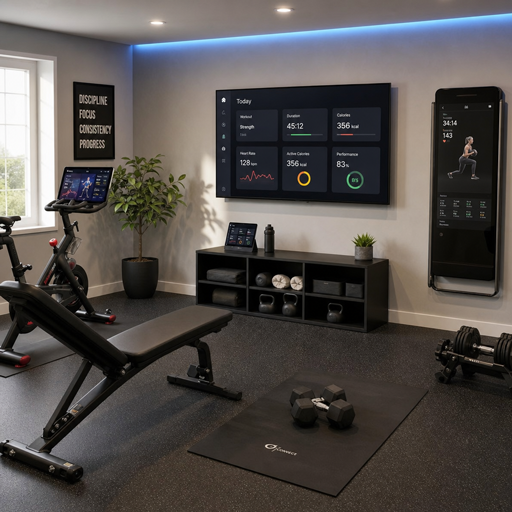
A connected smart gym brings digital coaching, performance data, and interactive workouts into one home fitness setup. Instead of relying on separate machines, notebooks, apps, and guesswork, these systems combine connected fitness equipment with software that helps you train, track, and adjust over time. For anyone comparing the best connected smart home gym equipment 2025 2026, the real value is not just the screen or the sensors; it is how well the system supports consistent, measurable progress.
What is a connected smart gym?
A connected smart gym is a fitness setup that uses internet-enabled equipment, sensors, apps, and guided programming to create a more interactive workout experience. It may include a strength training station, smart mirror, bike, rower, treadmill, wearable device, or all-in-one fitness system that records your activity and helps you follow structured sessions at home.
The “connected” part matters because your workouts are no longer isolated events. Smart gym technology can store training history, show trends, recommend resistance changes, and connect you with virtual gym training. That makes it easier to see whether you are improving, maintaining, or simply repeating the same routine without a plan.
The appeal of all-in-one fitness systems
All-in-one fitness systems are popular because they reduce friction. Instead of building a home gym piece by piece, you can start with one central platform that supports strength, cardio, mobility, or guided classes, depending on the system. This is especially useful for people who want a clean home setup without turning an entire room into a commercial gym.
A connected smart gym also helps solve one of the biggest problems in home fitness: staying engaged. Interactive programs, trainer-led sessions, progress tracking, and reminders can make workouts feel more purposeful. When the equipment records what you did last week, it becomes easier to choose the right next workout instead of starting from scratch every time.
The best systems are not always the most complex. For many users, the strongest setup is the one that fits their space, training style, schedule, and willingness to use the technology regularly.
Core features that make smart gym technology useful
Smart features should make training simpler, not more confusing. When comparing connected fitness equipment, focus on the tools that directly improve your ability to work out safely and consistently.
Look for features such as:
- Progress tracking: A strong system records workouts, resistance, reps, time, heart rate, or other performance markers so you can see change over time.
- Guided programming: Built-in classes or training plans reduce decision fatigue and help users follow a balanced routine.
- Adaptive resistance or settings: Some systems adjust difficulty based on your performance, helping you progress without constant manual changes.
- App integration: Syncing with connected health devices can give a broader view of activity, recovery, and general wellness habits.
- Multiple workout modes: Strength, cardio, mobility, stretching, and recovery content can make one system useful for more than one goal.
- User profiles: Shared households benefit when each person can keep separate data, goals, and workout recommendations.
The keyword is usefulness. A flashy screen is not enough if the workout library is shallow, the tracking is unclear, or the equipment does not match how you prefer to train.
How does progress tracking change home workouts?
Progress tracking changes home workouts by turning effort into visible feedback. Instead of guessing whether you are stronger, faster, or more consistent, the system can show patterns across sessions and help you make better training decisions.
This is why many shoppers search for the best smart connected gym equipment with progress tracking. Data can help you notice when you are increasing resistance, skipping certain muscle groups, improving endurance, or losing consistency. Even basic tracking can be motivating because it gives you a reason to return and build on your last session.
Progress tracking is most effective when it is easy to understand. Useful dashboards should show practical information, not overwhelm you with numbers. For example, a beginner may only need workout frequency, completed sessions, and gradual resistance increases, while a more experienced user may want detailed strength trends, output metrics, or recovery insights.
Connected health devices create a fuller picture
A connected smart gym becomes more valuable when it works alongside connected health devices. Wearables, heart rate monitors, smart scales, sleep trackers, and fitness apps can add context that gym equipment alone may miss. Training performance is affected by sleep, stress, recovery, and daily activity, so a broader view can help users avoid treating each workout as separate from the rest of their health.
That does not mean every person needs a fully connected ecosystem. Some users prefer a simple setup with one machine and one app. Others want a more integrated experience where virtual gym training, heart rate zones, activity rings, and strength data all live in one place. The right choice depends on how much feedback helps you stay focused rather than distracted.
Privacy is also worth considering. Before connecting devices, review what data is collected, where it is stored, and whether you can control sharing settings. Fitness data can be personal, and convenience should not come at the cost of comfort or trust.
Choosing equipment that fits your goals
The best connected smart home gym equipment 2025 2026 will not be the same for every household. A compact smart strength system may be ideal for someone focused on resistance training, while a connected bike or treadmill may suit a cardio-driven routine. A smart mirror or screen-based platform may appeal to users who enjoy instructor-led classes and variety.
Use this checklist before buying:
- Define your main goal. Decide whether you want strength, weight management, endurance, mobility, general wellness, or a mix.
- Measure your space. Include clearance for movement, storage, power access, and safe use.
- Check the workout library. Make sure the content matches your fitness level and preferred training style.
- Understand ongoing costs. Many systems rely on subscriptions, app access, or premium classes.
- Test the interface if possible. A system you dislike navigating will quickly become an expensive decoration.
- Consider who will use it. Multiple users may need adjustable settings, profiles, and beginner-friendly programming.
- Review service and support. Connected equipment depends on both hardware and software, so updates and customer support matter.
Virtual gym training brings coaching home
Virtual gym training gives users access to guided instruction without commuting to a studio or hiring in-person coaching for every session. Classes may be live, on demand, personalized, or program-based. This can make home workouts feel more structured and less lonely.
The best virtual experiences do more than play a video. They explain form, offer modifications, pace the workout, and help users understand what to do next. Some people thrive with energetic group-style classes, while others prefer quiet, data-led coaching. A connected smart gym should support the kind of motivation that actually works for you.
Common mistakes to avoid
Buying connected fitness equipment is easier when you know the common traps. Many people focus on the most advanced features and forget the basics that determine whether they will use the system long term.
Avoid these mistakes:
- Choosing equipment based only on trends rather than your actual goals.
- Ignoring subscription fees or assuming all content is included.
- Buying a system that requires more space than your home can comfortably provide.
- Overvaluing advanced metrics before building a consistent routine.
- Forgetting that strength, cardio, recovery, and mobility all play different roles.
- Assuming smart gym technology will create motivation automatically.
Technology can support discipline, but it cannot replace it. The best setup removes barriers, gives clear guidance, and makes it easier to repeat good habits.
A smarter home gym starts with better fit
A connected smart gym can be a powerful investment in convenience, consistency, and better training feedback. The right system blends useful tracking, enjoyable workouts, reliable equipment, and a setup that fits naturally into your life.
If you are comparing connected fitness equipment, start with your goals, space, budget, and preferred coaching style before chasing the newest feature. Smart gym technology works best when it feels less like a gadget and more like a training partner you are happy to use again tomorrow.