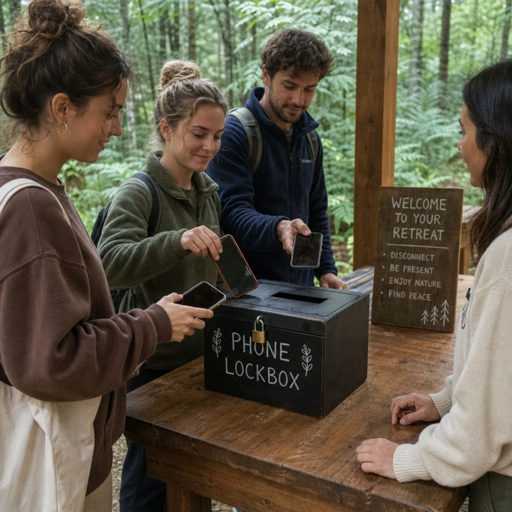
Digital detox tourism is moving from niche wellness experiment to a mainstream travel category as more travelers look for mindful vacations that help them log off, slow down, and reconnect with nature. Recent travel and wellness reports point to rising demand for offline retreats, analog activities, quiet nature escapes, and hospitality experiences that make screen breaks easier rather than leaving guests to manage the habit alone. The shift is also changing how hotels, retreat operators, and destination marketers package wellness tourism in 2026.
Why are travelers booking offline retreats now?
Travelers are booking offline retreats because constant connectivity has made rest harder to access, even on vacation. The new appeal of digital detox retreats is not simply the absence of Wi-Fi; it is the promise of a structured break from work messages, social feeds, alerts, and the subtle pressure to document every moment. In a travel market still shaped by wellness, slow travel, and mental restoration, digital detox in tourism has become a practical response to a very modern problem: many people can travel far away without ever feeling truly away.
Industry reports suggest the trend is gaining momentum at the same time wellness travel continues to expand. The Global Wellness Institute reported that the global wellness economy reached $6.8 trillion in 2024, while wellness tourism expenditures reached about $894 billion in the same year. That broader spending backdrop gives digital detox tourism room to grow, especially as travelers seek experiences that combine rest, nature, sleep, movement, and emotional reset rather than a conventional sightseeing itinerary.
McKinsey’s 2025 wellness trends research also highlighted increased consumer interest in in-person services and wellness travel, noting that nearly 60% of consumers who traveled for health and wellness treatments in 2024 expected to do so again in the next year. The report specifically identified opportunities for travel companies as consumers look to reset, digitally detox, and support mental, physical, and spiritual well-being.
A wellness trend shaped by screen fatigue
The latest wave of digital detox tourism is not anti-technology in a simple sense. Many travelers still rely on phones for boarding passes, maps, emergency contact, payments, translation, and safety. What is changing is the desire to define when technology is useful and when it becomes noise.
That distinction matters for hotels and retreat operators. Guests are not always asking to be unreachable for a week. Many are asking for help separating necessary access from compulsive use. This is why some experiences now focus on phone-free dinners, sealed-device hours, no-notification hikes, paper itinerary cards, analog cameras, guided journaling, meditation, reading time, campfires, and shared meals where screens stay out of sight.
The popularity of “analog” travel language reflects the same mood. Priceline’s 2026 “Where to Next?” report described a new wave of analog travelers using more extreme digital detoxing to rebuild work-life boundaries, framing the trend around “dead zoning” and off-the-clock travel.
Other travel trend reporting is pointing in a similar direction. DERTOUR’s 2026 European Travel Trend Report identifies “travel as digital detox” as a leading theme, while Vogue’s 2026 coverage of analog travel describes a growing appetite for destinations where going offline becomes part of the appeal rather than an inconvenience.
The result is a broader definition of wellness tourism. A spa treatment or yoga class may still be part of the offer, but the deeper sell is uninterrupted presence. In that sense, digital detox retreats are being marketed less as punishment and more as permission: permission not to answer, post, compare, scroll, optimize, or be available.
Offline retreats are expanding beyond luxury spas
For years, digital detox retreats were often associated with remote luxury resorts, silent meditation programs, or high-end wellness centers. Those models still exist, but the category is widening. Today’s offline retreats can be rustic, social, spiritual, adventure-based, design-led, family-friendly, or intentionally simple.
That broadening is important because not every traveler wants a silent retreat. Some want nature escapes with hiking, swimming, cycling, wildlife watching, creative workshops, cooking, or conversation. Others want a cabin stay with no pressure to meditate, journal, or transform. A growing share simply wants a vacation where phones are not the center of the experience.
Cabin and micro-retreat brands are using that demand to position off-grid lodging as a form of wellness. In October 2025, travel trend publication Globetrender reported that Unplugged had added seven digital detox cabins, including its first location in Spain, bringing the company’s portfolio to 45 cabins with plans to reach 60 by the end of 2025. The company’s model centers on modern cabins, remote settings, and a structured break from devices, showing how digital detox in tourism is becoming a scalable hospitality concept rather than a one-off retreat format.
Large hotel brands are also noticing the shift. Hilton’s 2025 trends report described a travel environment where “high-tech travel” exists alongside digital detox demand, and it connected wellness behaviors with sleep, spa treatments, and slow travel. Hilton reported that more than a quarter of travelers planned to book a spa or wellness treatment to improve sleep and that one in four leisure travelers were leaning into slow travel in 2025.
This mix of high-tech convenience and low-tech recovery may define the next phase of mindful vacations. Travelers may use apps to book the trip, digital wallets to pay, and AI tools to plan routes, then choose a property where the central value is the ability to put the phone away.
What the new digital detox retreat looks like
The most effective digital detox retreats are not just places with poor reception. They are designed around behavior, environment, and expectations. Operators are increasingly learning that guests need a clear structure before they can relax into being offline.
Common elements now include:
- Device handoff or phone lockboxes. Some retreats invite guests to store phones at check-in or during certain parts of the day. Others provide optional lockboxes so travelers retain control while adding friction to habitual checking.
- Analog replacements. Paper maps, printed schedules, notebooks, postcards, board games, books, film or instant cameras, sketching materials, and vinyl listening sessions give guests something tactile to do when the phone is gone.
- Nature-led programming. Hiking, cold-water swimming, forest bathing, kayaking, stargazing, gardening, birding, and guided walks help travelers reconnect with nature through direct attention rather than digital documentation.
- Quiet and sleep support. Some retreats build the experience around early nights, limited artificial light, sound-conscious design, gentle movement, meditation, or rest-focused schedules.
- Social boundaries. Phone-free meals, group circles, shared cooking, and guided conversation make disconnection feel communal rather than isolating.
- Emergency access. Responsible operators explain how guests can be reached in urgent situations and how staff handle medical, family, or travel disruptions while devices are limited.
- Realistic re-entry. Better programs do not treat digital detox as a magic cure. They help guests plan how to carry some boundaries home, such as no-phone mornings, app limits, notification resets, or weekend screen breaks.
These details matter because a retreat that simply removes screens can leave guests restless, anxious, or bored. A well-designed retreat replaces the phone’s role with rhythm: meals, movement, rest, conversation, and sensory experiences.
Nature escapes are becoming the central product
The strongest digital detox tourism offers tend to share one common feature: they make the outside world feel more interesting than the screen. Forest cabins, coastal lodges, mountain retreats, desert camps, farm stays, monasteries, lakeside huts, and low-signal eco-resorts are all positioned around immersion. The setting is not just scenery; it is the mechanism.
For destination marketers, this creates an opportunity to reframe rural and natural areas as wellness assets. A place does not need a major spa complex to participate in wellness tourism. It may have trails, dark skies, clean air, local food, quiet roads, craft traditions, bird habitats, or water access. When packaged carefully, those assets can support mindful vacations that feel restorative without being overly clinical or exclusive.
There is also a growing difference between “remote” and “restorative.” Remote locations can be inconvenient if guests feel unsafe, uninformed, or stranded. Restorative locations combine disconnection with hospitality basics: clear directions, warm lodging, reliable staff, emergency protocols, good food, comfortable sleep, and a schedule that gives people enough structure without over-programming every hour.
This is where digital detox retreats overlap with slow travel. Travelers are not necessarily trying to do less because they lack ambition. They are choosing fewer inputs so they can notice more. A two-night cabin stay with a long walk, a real conversation, a cooked meal, and an uninterrupted night’s sleep can feel more valuable than a packed itinerary designed for content capture.
Gen Z is helping normalize phone-free experiences
Digital detox tourism is often framed as a response to professional burnout, but younger travelers are also influencing the shift. Axios reported in April 2026 that phone-free bars, restaurants, entertainment experiences, schools, weddings, proms, and retreats were gaining attention, with Gen Z helping drive interest in screen-free social spaces.
That matters because hospitality trends often spread when they become social, not just therapeutic. A phone-free retreat can be a mental health choice, but it can also be a cultural experience: a way to meet people without the filter of constant recording, posting, and multitasking. For younger travelers who grew up online, analog travel can feel novel rather than nostalgic.
The same dynamic is visible in the demand for low-tech group activities. Retreats are leaning into bonfires, communal dinners, creative workshops, board games, walking clubs, breathwork, dance, music, and storytelling. These formats make disconnection feel active and relational. They also help solve a common concern: guests may want to be off their phones, but they do not necessarily want to be alone with silence for days.
For travel brands, this creates a message shift. The promise is not “give up your phone because it is bad.” The stronger promise is “come back to your senses, your people, and the place you traveled to see.”
Hospitality brands face a design challenge
As digital detox retreats become more popular, operators face a practical challenge: they must deliver disconnection without making guests feel controlled. The line between supportive structure and paternalism can be thin. Adults may welcome a phone lockbox during dinner but resist a program that feels shaming, inflexible, or unsafe.
The most credible experiences are transparent before booking. They explain whether Wi-Fi is unavailable, limited, or optional. They clarify whether phones are collected, sealed, discouraged, or simply kept out of shared spaces. They outline what guests should do about family emergencies, work obligations, travel changes, medical needs, and navigation.
This transparency is especially important because “digital detox” can mean very different things. For one traveler, it means no phone for five days. For another, it means no social media after dinner. For a parent, caregiver, solo traveler, or person managing health needs, full disconnection may not be possible or desirable. The best digital detox in tourism is flexible enough to support real life while still protecting the purpose of the trip.
Operators also need to consider staff boundaries. If a property markets itself as offline, guests may expect staff to handle logistics that phones usually solve: restaurant bookings, local routes, transport updates, weather changes, activity reminders, and emergency communication. That can improve hospitality, but it also requires training and staffing.
The business opportunity is bigger than retreats
The rise of digital detox tourism is not limited to dedicated retreat centers. It is influencing how mainstream hospitality packages wellness, nature, and guest experience. Hotels, lodges, tour operators, cruise lines, campsites, destination management companies, and travel advisors can all adapt the trend in different ways.
A city hotel might create phone-free spa evenings or analog lobby programming. A resort might offer screen-free family hours, nature walks, and device-free dining areas. A tour operator might design an itinerary where guests use paper route cards and meet local guides instead of relying on constant app navigation. A rural destination might promote low-signal nature escapes for travelers who want quiet rather than nightlife.
The opportunity also extends to shoulder seasons. Quiet landscapes, cooler weather, and slower local rhythms can strengthen the appeal of offline retreats. A destination that is crowded in summer may become ideal for digital detox retreats in autumn or winter, when visitors are more interested in reading by a fire, walking in the woods, soaking in hot springs, or sleeping deeply.
There is also potential for corporate and team travel. As more organizations wrestle with burnout, hybrid work boundaries, and always-on communication, offline retreats could become part of leadership offsites or employee wellness programs. The challenge will be authenticity. A “digital detox” work retreat loses credibility if the schedule is packed with strategy sessions and the expectation to return with more productivity.
The trend comes with caution signs
The rise of digital detox retreats also raises questions about accessibility, equity, and over-commercialization. If disconnection is sold only as a premium experience, it can make rest feel like a luxury product rather than a basic human need. Online discussions increasingly point out this tension, with some travelers questioning whether expensive retreats solve the root problem or simply package temporary escape.
There are also safety considerations. Solo travelers may not want to surrender a phone entirely. International travelers may need translation, banking apps, identity documents, rideshare access, or airline updates. People with caregiving responsibilities may need to remain reachable. Retreats that ignore these realities risk turning a wellness promise into a stressful experience.
Another issue is the performance of being offline. If a trip is marketed mainly through influencer-style imagery, guests may feel the same pressure to consume and display that they were trying to escape. Digital detox tourism works best when the experience is not designed only to be photographed before the phone goes away. The credibility of the category will depend on whether operators can build genuine rest into the product, not just a marketable aesthetic.
Environmental impact also matters. Nature escapes depend on the health of the landscapes they promote. If digital detox demand sends more travelers into fragile environments without visitor management, transport planning, waste systems, and community engagement, the trend could undermine its own promise. The strongest operators will connect wellness with stewardship, using local suppliers, limiting group sizes where needed, guiding guests on responsible outdoor behavior, and supporting the communities that host them.
What travelers should look for before booking
As the category grows, travelers will need to compare digital detox retreats more carefully. A polished website does not always reveal whether the experience is restorative, safe, or suitable for a guest’s needs. Before booking, travelers should look beyond the phrase “digital detox” and examine how the retreat actually works.
Useful questions include:
- What level of disconnection is expected? Check whether the retreat bans phones, stores them, limits them in shared areas, or simply encourages reduced use.
- Is emergency contact available? Responsible operators should provide a clear process for urgent family, medical, or travel needs.
- What replaces screen time? Look for nature activities, rest periods, meals, workshops, reading time, movement, or social programming that fits your style.
- Is the retreat silent, social, or flexible? A silent meditation retreat and a phone-free cabin weekend are very different experiences.
- What is the physical setting? Consider terrain, weather, accessibility, transport, lighting, room comfort, and whether you will feel safe without constant phone access.
- Does the operator make realistic claims? Be cautious of any retreat promising instant transformation, guaranteed mental health outcomes, or unsupported medical benefits.
- How do you re-enter connected life? The best mindful vacations help guests think about habits after checkout, not just during the stay.
This kind of due diligence is becoming more important as wellness tourism grows. A digital detox can be deeply refreshing, but it should match the traveler’s responsibilities, health, comfort level, and reasons for going.
Destinations are repositioning quiet as a premium experience
In traditional tourism marketing, destinations often competed on activity, access, nightlife, attractions, and shareable landmarks. Digital detox tourism shifts the emphasis toward quiet, space, and attention. The ability to be unreachable, or at least undisturbed, is increasingly treated as a feature.
That shift can benefit smaller communities and nature-based destinations if managed thoughtfully. Rural inns, trail towns, retreat farms, mountain villages, coastal communities, and conservation areas may be able to attract travelers who spend more slowly and engage more locally. Instead of racing through a checklist, these visitors may book longer stays, eat locally, join guided walks, attend small workshops, and return for seasonal experiences.
However, destinations should avoid reducing local life to a backdrop for visitor self-care. A strong digital detox tourism strategy respects residents, protects natural assets, and avoids overwhelming quiet places with the very attention they are trying to sell. If a village becomes famous as an offline escape but gains traffic, noise, and short-term rental pressure, the promise of disconnection can quickly become a source of tension.
The more sustainable path is curated growth. That could mean promoting lesser-known trails responsibly, working with local guides, encouraging public transport or shared transfers where possible, setting visitor expectations before arrival, and creating packages that spread economic benefit beyond a single property.
What happens next
The next phase of digital detox in tourism is likely to become more segmented. Instead of one broad category, travelers will see more specific offers: no-phone social weekends, silent nature retreats, family screen-break vacations, executive burnout resets, sleep-focused cabin stays, analog creative retreats, monastery stays, wilderness programs, and low-tech romantic escapes.
The trend will also become more flexible. Full disconnection will remain appealing to some guests, but many travelers will choose partial detox formats that protect certain moments: meals, mornings, hikes, spa areas, workshops, or the first and last hours of the day. This may help the category grow because it lowers the barrier to entry.
Travel brands that succeed will likely be the ones that treat disconnection as design, not deprivation. That means building environments where guests know what to do with their attention once the screen is gone. It also means being honest: a weekend offline will not solve every stressor, but it can show travelers what rest feels like when notifications stop setting the pace.
The broader signal is clear. As wellness tourism continues to evolve, mindful vacations are becoming less about escape from place and more about return to place. Travelers want to hear the forest, taste the meal, finish the book, follow the trail, sleep without blue light, and have a conversation that is not interrupted by a vibrating phone. For destinations and retreat operators, that desire is now a serious market force.
Key takeaways for the travel industry
- Digital detox tourism is becoming a mainstream wellness travel theme. It is supported by broader growth in wellness tourism and by consumer demand for rest, sleep, mental reset, and in-person experiences.
- Offline retreats work best when they are designed, not improvised. Guests need clear expectations, analog activities, nature access, emergency protocols, and supportive staff.
- Nature escapes are central to the trend. Forests, mountains, coasts, farms, deserts, lakes, and rural landscapes give travelers something meaningful to pay attention to once screens are removed.
- The market is wider than luxury. Cabins, camps, inns, retreat farms, monasteries, eco-lodges, and mainstream hotels can all participate if the experience is credible.
- Flexibility will matter. Not every traveler can or wants to go fully offline, so partial digital detox formats may become the most scalable model.
- Authenticity will separate strong operators from weak ones. The best digital detox retreats will offer genuine restoration rather than simply turning disconnection into another trend to photograph.
For travelers, the message is simple: the most valuable souvenir from the next trip may not be a photo at all. It may be the rare feeling of having been fully present while the world kept scrolling without you.