Solar panel efficiency is the measure of how well a panel turns sunlight into usable electricity, but real-world performance depends on more than the percentage printed on a product sheet. Panel type, placement, shading, heat, system design, and maintenance all affect solar energy output. This guide explains how photovoltaic efficiency works and the practical choices that help a solar setup produce more power over time.
What does solar panel efficiency actually mean?
Solar panel efficiency describes how much sunlight a photovoltaic panel converts into electrical energy under defined test conditions. A more efficient panel can generate more electricity from the same amount of sunlight and roof, ground, or vehicle surface area, which matters when space is limited or energy needs are high. However, efficiency is only one part of performance; a well-installed mid-efficiency system can outperform a poorly placed premium panel.
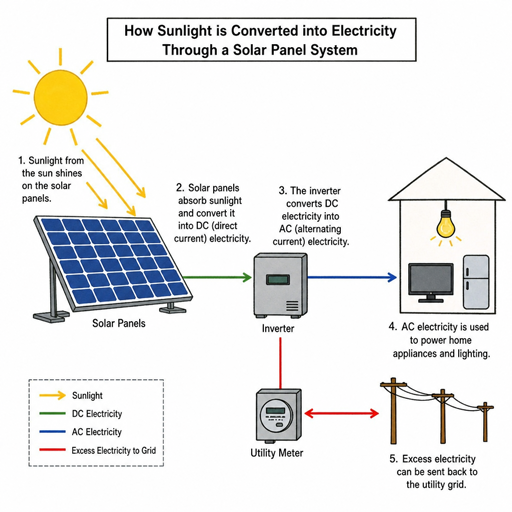
At the heart of every solar panel is energy conversion. Sunlight hits photovoltaic cells, those cells create direct current electricity, and the system routes that power through wiring, charge controllers, batteries, or inverters depending on the setup. Each step introduces some loss, so maximizing output means improving the entire chain rather than focusing only on the panel surface.
For homeowners, RV owners, boat users, and off-grid planners, the practical question is not simply “Which panel has the highest rating?” It is “Which system will produce the most usable electricity in my conditions?” That answer depends on sunlight exposure, available space, mounting angle, climate, budget, storage needs, and how consistently the system will be used.
The main factors that shape photovoltaic efficiency
Photovoltaic efficiency is influenced by both panel construction and operating environment. Solar technology has improved steadily, but even advanced panels need good conditions to perform well. Understanding these factors helps you read product specifications more clearly and avoid common installation mistakes.
Cell type and panel design
Different solar panels use different cell materials and layouts. Rigid monocrystalline panels are often chosen for higher efficiency in limited spaces, while polycrystalline and thin-film options may appeal for cost, weight, or flexibility. Flexible panels, including adhesive products marketed as a high efficiency flexible solar panel sticker for RV use, can be useful where curved surfaces, low weight, or low-profile installation matter more than maximum output per square foot.
Panel design also affects how electricity flows when part of the panel is shaded. Some panels are built with cell arrangements and bypass features that reduce the impact of partial shade, but no panel performs well when regularly blocked from sunlight. When comparing solar technology options, always look at how the panel will behave in your actual location, not only how it performs in ideal laboratory conditions.
Temperature and heat buildup
Solar panels need sunlight, but excessive heat can reduce performance. Many panels lose some output as cell temperature rises, which is why airflow behind a panel can matter. A rigid panel mounted with a small air gap may run cooler than a flexible panel adhered directly to a hot surface.
This is especially important for RVs, vans, sheds, and metal roofs. A flexible solar panel may be easier to install and less visible, but if it is bonded to a surface that becomes very hot, some of its efficiency advantage may be reduced. The best choice depends on the balance between convenience, weight, mounting constraints, and expected operating temperature.
Shading, orientation, and tilt
Shade is one of the most common causes of disappointing solar energy output. Tree branches, chimneys, roof vents, antennas, roof racks, air conditioners, and nearby buildings can all reduce production. Even small shadows can matter if they fall across sensitive parts of the panel at peak sunlight hours.
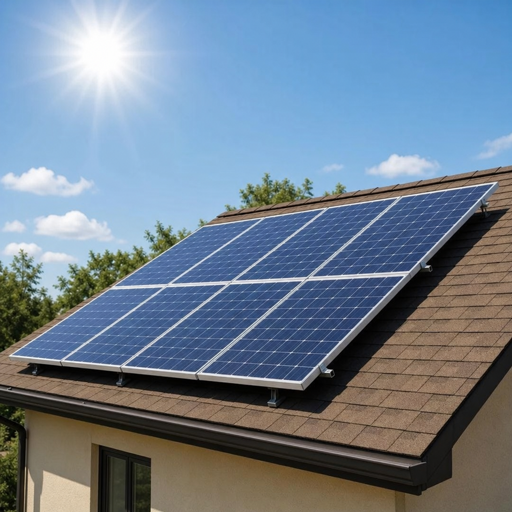
Orientation and tilt also influence output. Panels generally produce best when they face the strongest available sunlight for the longest useful part of the day. On a fixed roof, that may mean accepting a less-than-perfect angle; on a portable or ground-mounted setup, it may be possible to adjust the panel seasonally or throughout the day.
How should you compare solar panels before buying?
A useful solar panel comparison looks beyond the headline efficiency number and considers fit, durability, installation method, electrical compatibility, and total system performance. The best panel is the one that meets your energy needs reliably in the space and conditions you actually have. Comparing panels this way helps prevent overpaying for specifications you cannot fully use.
Use this checklist when evaluating options:
- Rated power: The wattage tells you the panel’s expected output under standard test conditions, not a guaranteed daily result.
- Efficiency percentage: Higher efficiency can be valuable when space is limited, but it does not automatically mean the best value.
- Panel size and weight: A compact, efficient panel may suit a small roof, while a lighter flexible panel may suit mobile installations.
- Voltage and system compatibility: Match panels with the right charge controller, inverter, battery bank, and wiring plan.
- Temperature coefficient: This indicates how output may change as the panel gets hotter.
- Mounting method: Rigid frames, rails, adhesive backing, portable stands, and flexible laminates each affect airflow, security, and serviceability.
- Durability needs: Consider wind, vibration, foot traffic risk, weather exposure, and whether the panel may need to be removed later.
For an RV, the decision may come down to weight, roof shape, and ease of installation. A high efficiency flexible solar panel sticker for RV applications can be attractive because it is low profile and may reduce the need for drilling. But a rigid panel may offer better cooling and easier replacement in some setups. Neither option is universally better; the right answer depends on the vehicle, travel style, power demand, and mounting surface.
Installation choices that increase solar energy output
Installation is where theoretical efficiency becomes real-world electricity. Two panels with similar specifications can produce very different results if one is shaded, overheated, poorly wired, or pointed away from usable sunlight. Careful planning before installation usually pays off for the life of the system.
Start with an energy use estimate
Before choosing panels, estimate how much electricity you need. For a home, this may involve reviewing utility bills and identifying major loads. For an RV or off-grid cabin, list the devices you plan to run, their wattage, and how many hours per day they are used.
This step keeps the system grounded in actual demand. If your daily consumption is modest, a smaller system with good placement may be enough. If you plan to power refrigeration, electronics, lighting, fans, pumps, or appliances, you may need more panel capacity, more storage, or both.
Place panels where sunlight is consistent
The best mounting surface is not always the largest one. A slightly smaller area with fewer shadows may deliver more usable power than a larger shaded area. Observe the site at different times of day before deciding where panels should go.
For mobile systems, think about how the vehicle or portable array will be used. RV roof panels are convenient because they charge while parked and require little setup. Portable panels may allow better sun positioning when the RV is parked in shade, but they need storage space and manual handling.
Reduce electrical losses
Solar energy output can be reduced by undersized wiring, long cable runs, mismatched components, or poor connections. The system should be designed so current can move efficiently from the panel to the charge controller, inverter, battery, or electrical panel. For larger or more complex systems, professional design support can help avoid expensive mistakes.
Component matching matters. A high-quality panel cannot perform well if paired with an unsuitable controller or inverter. Similarly, batteries should be sized and configured to accept and store the energy the panels produce.
Maintenance habits that protect efficiency
Solar panels are generally low maintenance, but low maintenance does not mean no maintenance. Dirt, pollen, bird droppings, leaves, snow, and debris can block sunlight and reduce output. A simple inspection routine can help keep the system working as expected.
Practical maintenance includes:
- Check for visible debris. Look for buildup that blocks the panel surface, especially after storms, heavy pollen, or long dry periods.
- Clean gently when needed. Use methods compatible with the panel manufacturer’s guidance, avoiding abrasive tools that could scratch the surface.
- Inspect wiring and mounts. Loose cables, cracked sealant, damaged connectors, and shifting mounts can affect performance and safety.
- Watch output trends. If production drops noticeably without a clear weather reason, investigate shading, dirt, equipment faults, or battery issues.
- Trim new shade sources. Trees grow, nearby objects move, and roof equipment may be added later. Recheck sunlight exposure periodically.
Monitoring is especially helpful because it turns performance into something visible. If you can see daily or weekly production, you are more likely to notice problems early. For off-grid and mobile users, monitoring also helps decide when to conserve power, reposition portable panels, or run backup charging.
Efficiency is part of a complete solar strategy
Solar panel efficiency should be viewed as one tool for improving system performance, not the only goal. In some cases, buying the highest-efficiency panel available makes sense because roof space is tight or energy needs are high. In other cases, adding another panel, improving placement, upgrading a controller, or reducing energy use may be more effective.
A balanced strategy often includes both production improvements and consumption management. Efficient lighting, appliances, chargers, ventilation, and battery practices can reduce the load on the solar system. This can be especially important in RVs, cabins, boats, and backup systems where available panel area and storage capacity are limited.
Here is a simple decision framework:
- If space is limited: Prioritize higher-efficiency panels and careful layout.
- If heat is a major issue: Consider mounting methods that improve airflow.
- If shade is unavoidable: Improve placement, use portable panels, or design around partial shading.
- If budget is the constraint: Compare total system cost per usable watt, not just panel price.
- If mobility matters: Consider weight, profile, vibration resistance, and installation flexibility.
- If reliability matters most: Focus on durable components, secure mounting, correct wiring, and easy maintenance.
Common mistakes that reduce solar performance
Many solar performance problems begin with assumptions. A buyer may assume a rated wattage equals everyday output, that all roof space is equally useful, or that a flexible panel will behave the same way on every surface. These assumptions can lead to systems that look good on paper but underperform in daily use.
Avoid these mistakes:
- Installing panels where midday or afternoon shade crosses the array.
- Ignoring heat buildup under low-profile or adhesive panels.
- Mixing components without checking voltage, current, and controller compatibility.
- Choosing panels before estimating daily energy demand.
- Forgetting future service access when bonding, sealing, or routing wires.
- Comparing panels only by price without considering lifespan, fit, and output.
Good planning does not require overcomplication. It means matching the panel, location, and supporting equipment to the job. When the system is designed around real use, photovoltaic efficiency becomes easier to translate into dependable power.
The best results come from matching technology to conditions
Modern solar technology offers more choices than ever: rigid roof panels, portable kits, lightweight flexible modules, adhesive panels, battery-integrated systems, and smart monitoring tools. That variety is useful, but it also makes comparison more important. The most efficient option on paper may not be the most productive option in practice.
For a home, the priority may be long-term output from a fixed array. For an RV, the priority may be a blend of weight, durability, low profile, and reliable charging while parked. For an off-grid workspace, the priority may be storage and component matching as much as panel efficiency.
To maximize Solar panel efficiency, start with the fundamentals: clear sunlight, suitable panel type, proper mounting, compatible electrical design, and regular maintenance. Then refine the system around your real energy habits. When every part of the setup supports efficient energy conversion, the result is stronger solar energy output and a system that works more predictably day after day.