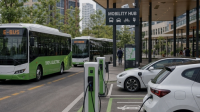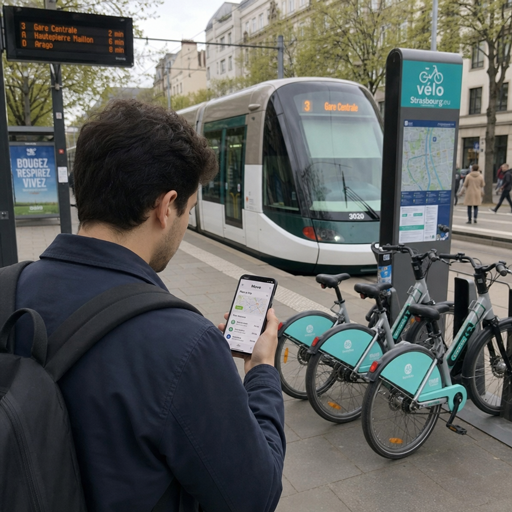
Sustainable urban mobility is about helping people move through cities safely, affordably, efficiently, and with less harm to the environment. It connects urban cycling, electric vehicles, walking, public transit, shared mobility, street design, and digital tools into one practical system. This guide explains how cities, employers, planners, developers, and everyday commuters can support green transportation without treating mobility as a single-technology problem.
What does sustainable urban mobility mean?
Sustainable urban mobility means designing city movement around people, access, health, and long-term environmental responsibility rather than around private car dependence alone. It includes cleaner vehicles, better transit, safer sidewalks, connected bike networks, mixed-use neighborhoods, and smart city mobility systems that make sustainable commuting easier in daily life. The goal is not to eliminate every car trip; it is to give people realistic choices so the cleanest and most space-efficient option is often the most convenient one.
A sustainable mobility system asks a simple question: can people reach work, school, shops, services, parks, and community life without needing to drive for every trip? When the answer is yes, the city becomes more resilient. Families can reduce transport costs, streets can handle growth with less congestion, and neighborhoods can become safer and more active.
This approach also recognizes that mobility is connected to land use. A protected bike lane helps, but it works better when homes, offices, schools, and transit stops are close enough to reach. Electric vehicles reduce tailpipe pollution, but they do not solve traffic, parking pressure, road danger, or unequal access on their own. Walkable cities, frequent public transportation, urban cycling infrastructure, and clean vehicle technology all need to work together.
The mobility hierarchy starts with access
The most sustainable trip is often the one that is short, shared, active, or avoided through better planning. That does not mean people should stay home or travel less in a restrictive way. It means cities can be designed so daily needs are closer and easier to reach.
A practical mobility hierarchy usually places walking and accessibility first, followed by cycling, public transit, shared mobility, freight efficiency, and then private motor vehicles. This hierarchy matters because it helps decision-makers allocate limited street space. A lane used by buses, bicycles, or pedestrians can move more people in less space than a lane used only by private cars.
For individuals, this hierarchy can guide everyday choices. If a trip is under a comfortable walking distance, walking may be the simplest option. If it is too far to walk but close enough to bike, urban cycling or an e-bike can be faster than driving and parking. For longer trips, transit combined with walking, cycling, or a shared vehicle can often reduce the need for a personal car.
For cities, the hierarchy helps avoid scattered improvements. A sidewalk project, a bike-share station, an electric bus, and a parking reform policy are more powerful when planned as parts of the same network. Sustainable urban mobility is strongest when every investment makes the next low-carbon choice easier.
Why do cities need new mobility solutions?
Cities need new mobility solutions because traditional car-first planning struggles with congestion, emissions, road safety, land consumption, and unequal access. As urban populations grow and daily travel demand changes, adding more lanes and parking is rarely enough to create efficient movement. Sustainable commuting strategies give cities more capacity by moving people, not just vehicles.
The challenge is not only environmental. A transport system built around car ownership can exclude people who are too young to drive, unable to drive, unwilling to drive, or unable to afford a vehicle. It can also make simple trips difficult for older adults, people with disabilities, workers with nontraditional schedules, and households that depend on transit.
Urban land is also limited. Streets must serve buses, deliveries, emergency vehicles, cyclists, pedestrians, trees, utilities, outdoor commerce, and public life. When too much of that space is reserved for moving and storing private vehicles, cities lose opportunities for safer crossings, wider sidewalks, bus priority, loading zones, green infrastructure, and public gathering places.
New mobility solutions are not about novelty for its own sake. The most effective ones solve ordinary problems: getting children safely to school, helping workers reach jobs without long commutes, making deliveries less disruptive, reducing local air pollution, and giving residents dependable alternatives when fuel prices, road closures, or extreme weather affect travel.
Core principles of green transportation planning
Green transportation works best when it is guided by clear principles rather than isolated projects. A city can buy electric buses, paint bike lanes, or launch an app, but if those efforts are disconnected, the impact may be limited. The following principles help sustainable urban mobility become practical, equitable, and durable.
Design for people before vehicles
Human-centered street design begins with the people most exposed to risk: pedestrians, cyclists, transit riders, children, older adults, and people with disabilities. Streets should be legible, predictable, and forgiving. That means safe crossings, slower vehicle speeds where people mix, visible intersections, protected space for cycling, and sidewalks that are clear, continuous, and comfortable.
Designing for people also improves commercial streets. When sidewalks feel inviting and crossings are safe, people are more likely to linger, shop locally, and make spontaneous visits. Streets stop being only corridors for movement and become places that support local life.
Make the clean choice convenient
People usually choose the mode that best balances time, cost, comfort, safety, and reliability. If the bus is infrequent, the bike route feels dangerous, or the sidewalk disappears, people may drive even when they would prefer another option. Sustainable commuting grows when green transportation is not a sacrifice.
Convenience depends on small details. A transit stop needs shelter, lighting, clear information, and safe access. A bike network needs secure parking, protected intersections, and connections to destinations. A walkable district needs shade, active frontages, seating, and short crossings. These details turn policy goals into daily habits.
Treat mobility as a network
A single beautiful bike lane that ends abruptly can be useful, but a connected network changes behavior. The same is true for sidewalks, buses, trains, charging points, shared vehicles, and delivery zones. People need confidence that a sustainable trip will work from door to door.
Network thinking also prevents competition between modes. Bikes can feed transit. Walking supports every trip. Electric vehicles can serve trips that are difficult to shift to active travel or public transport. Smart city mobility tools can help users combine options without confusion.
Prioritize equity from the beginning
Sustainable urban mobility should not become a premium amenity available only in central districts or affluent neighborhoods. Communities with long commutes, poor air quality, unsafe streets, or limited transit access often need improvements the most. Equity requires meaningful engagement, practical affordability, and attention to local travel patterns.
Equity also means recognizing different mobility needs. A night-shift worker may need reliable late service. A parent may need protected routes to school. A person using a wheelchair may need curb ramps, smooth surfaces, and elevators that work. A small business may need loading access. Good planning balances these needs openly rather than assuming one user type represents everyone.
Urban cycling as everyday transportation
Urban cycling is one of the most space-efficient and energy-efficient forms of city travel, especially for short and medium trips. It becomes mainstream when people see it not as a sport or lifestyle statement, but as a normal way to reach work, school, shops, transit, and social activities. That shift depends less on individual courage and more on infrastructure that feels safe for a wide range of ages and abilities.
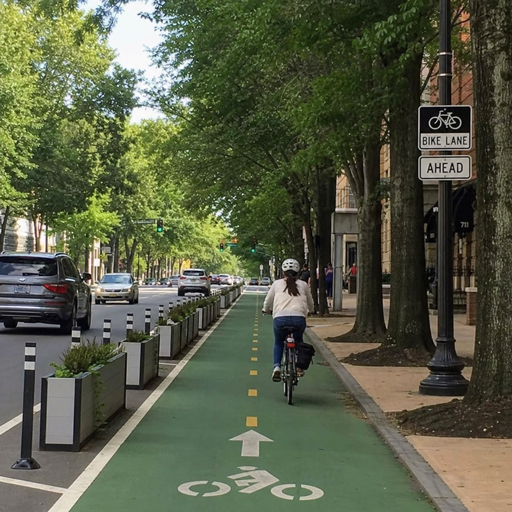
Cycling infrastructure should be continuous, protected where traffic is fast or heavy, and simple to understand. Painted lanes may be better than nothing on calm streets, but physical separation is often needed on busy corridors. Intersections deserve special attention because many conflicts happen where vehicles turn across bike movements.
E-bikes expand the role of cycling by making longer distances, hills, cargo trips, and hot weather more manageable. They can help commuters arrive less sweaty, allow parents to carry children, and support small deliveries without vans. For many households, an e-bike can replace some car trips even if it does not replace car ownership entirely.
A strong urban cycling system usually includes:
- Protected lanes on key corridors that separate cyclists from fast or heavy traffic.
- Low-speed neighborhood routes where traffic calming makes cycling comfortable without heavy infrastructure.
- Secure bike parking at homes, workplaces, schools, transit stations, and shopping areas.
- Intersection treatments such as bike signals, protected corners, and clear visibility.
- Maintenance plans for sweeping, snow clearance where relevant, lighting, pavement quality, and construction detours.
- Access to bikes and e-bikes through personal ownership, bike-share, subsidies, leasing, or employer programs.
The practical benefit is a larger mobility menu. When a person can safely bike two or three miles for errands, transit connections, or school drop-off, the pressure on roads and parking falls. Streets become quieter, and local destinations become easier to reach without a car.
Walkable cities are the foundation of sustainable commuting
Every trip begins and ends as a walking or rolling trip. Even a person who drives must walk from a parking space. Transit riders walk to stops. Cyclists become pedestrians when they park their bikes. That is why walkable cities are not a niche planning idea; they are the base layer of the entire mobility system.
Walkability is created by distance, safety, comfort, and interest. If destinations are too far apart, walking becomes impractical. If crossings feel dangerous, people avoid them. If sidewalks are narrow, broken, hot, or poorly lit, walking becomes unpleasant. If streets have blank walls and empty lots, the trip feels longer and less secure.
A walkable city does not need every neighborhood to look the same. Dense downtowns, mixed-use main streets, residential districts, campus areas, and transit-oriented neighborhoods can all support walking in different ways. The common thread is that daily life is reachable at a human pace.
Elements that make walking work
A good pedestrian environment includes continuous sidewalks, frequent crossings, curb ramps, visible signals, street trees or shade, lighting, benches where appropriate, and active edges. It also includes traffic speeds that match the presence of people. A wide road with fast turning vehicles can undo the value of a sidewalk if crossings feel intimidating.
Land use matters as much as street design. Housing near shops, schools, parks, and transit creates more walkable trips. Large parking lots, single-use zones, and isolated buildings stretch distances and weaken pedestrian life. For sustainable urban mobility, zoning, development, and transport planning need to reinforce each other.
Accessibility is not optional
Walkability must include people using wheelchairs, walkers, strollers, canes, and other mobility aids. A sidewalk blocked by poles, signs, parked vehicles, or outdoor equipment may be technically present but functionally unusable. Curb ramps, tactile surfaces, smooth pavement, audible signals, and reliable maintenance are essential.
Accessible design benefits everyone. Parents pushing strollers, travelers with luggage, delivery workers, and people recovering from injuries all gain from the same improvements. A city that is easier to navigate at slower speeds is usually easier for everyone.
Electric vehicles in a sustainable mobility system
Electric vehicles are an important part of green transportation, especially for trips and services that are difficult to shift to walking, cycling, or transit. They can reduce local tailpipe pollution and support cleaner fleets when paired with cleaner electricity. However, electric vehicles are most effective when treated as one tool within a broader mobility strategy, not as a complete replacement for urban transport reform.
Private electric cars still require road space, parking, materials, and energy. They can still contribute to congestion and safety risks if streets remain car-dominated. For that reason, cities should electrify necessary vehicle trips while also reducing unnecessary vehicle dependence.
The highest-value use cases often include buses, municipal fleets, taxis, ride-hail vehicles, delivery vans, car-share fleets, and vehicles that accumulate many urban miles. Electrifying these services can improve air quality in places where people are most exposed, such as bus corridors, dense neighborhoods, logistics areas, and school zones.
Charging infrastructure must be planned carefully. Apartment dwellers, renters, small businesses, and fleet operators may not have easy access to private garages. Public charging, workplace charging, depot charging, curbside charging, and shared charging hubs can all play roles. Placement should consider grid capacity, sidewalk access, disability access, parking management, and neighborhood equity.
Where EVs fit best
Electric vehicles are especially useful when they support shared, public, or essential movement. Electric buses can improve the rider experience through quieter operation. Electric car-share can reduce the need for every household to own a vehicle. Electric cargo bikes and compact delivery vehicles can reduce the impact of last-mile logistics.
A balanced EV strategy might include:
- Electrifying public and high-mileage fleets first so benefits reach many people.
- Building charging access beyond single-family homes to support renters and multifamily residents.
- Using pricing and parking policy so electric cars do not simply replace every gasoline car one-for-one in crowded districts.
- Supporting smaller electric modes such as e-bikes, cargo bikes, scooters where appropriate, and neighborhood electric vehicles.
- Coordinating with energy planning so charging is reliable, resilient, and compatible with the local grid.
This approach avoids a false choice between technology and street design. Cities need cleaner vehicles, but they also need fewer trips that require large vehicles in the first place.
Smart city mobility connects the system
Smart city mobility uses data, sensors, digital platforms, payment tools, and real-time information to make urban travel easier to manage and easier to use. At its best, technology reduces friction. It helps riders know when the next bus is coming, helps traffic signals prioritize people-moving modes, helps fleet operators charge vehicles efficiently, and helps planners understand where safety or service gaps exist.
Technology should serve clear public goals. A mobility app that shows every option is helpful only if the options are reliable and accessible. A sensor system is valuable only if it leads to better decisions. Data dashboards are useful only when agencies have the authority and resources to act on what they reveal.
Smart mobility also raises questions about privacy, governance, and digital inclusion. Not everyone has a smartphone, unlimited data, a bank card, or comfort using app-based services. A sustainable system should offer digital convenience without making mobility dependent on digital access.
Useful smart mobility applications
The strongest applications are often practical rather than flashy. Real-time arrival information can make transit feel more dependable. Integrated payment can reduce confusion when transferring between bus, rail, bike-share, and shared mobility. Adaptive signals can give buses and pedestrians more reliable movement. Curb management tools can organize deliveries, ride-hail pickup, accessible parking, and loading.
Smart city mobility can support planning through better evidence. Anonymous trip patterns, crash data, bike-share use, transit crowding, and curb activity can reveal where improvements are needed. The key is to use data as a guide, not as a substitute for community input or professional judgment.
Principles for responsible mobility technology
- Start with a real problem. Do not deploy technology simply because it is available.
- Protect privacy. Collect the least data needed and manage it transparently.
- Keep non-digital options. People should be able to move without owning a smartphone.
- Use open standards when possible. Interoperability helps agencies and users avoid fragmented systems.
- Measure outcomes. Track whether the tool improves safety, access, reliability, emissions, or cost.
- Plan for maintenance. A broken display, dead charger, or outdated app damages trust.
Technology can make sustainable commuting smoother, but it cannot compensate for unsafe streets or poor service. The physical network and the digital layer need to develop together.
Public transit remains the backbone
A sustainable urban mobility system needs strong public transit because buses, trains, streetcars, and rapid transit can move large numbers of people efficiently. Transit is especially important for longer commutes, dense corridors, and people who cannot or do not want to drive. Walking, cycling, and shared mobility often work best when they connect to reliable transit rather than trying to replace it.
Quality matters. A bus route that runs rarely, gets stuck in traffic, or stops far from destinations may not attract riders who have other options. Frequent service, dedicated lanes, safe stops, priority at signals, clear maps, and comfortable transfers can make transit competitive.
Transit also supports more efficient land use. Stations and frequent bus corridors can anchor housing, workplaces, shops, and civic services. When development clusters around reliable service, more households can reduce car dependence and more businesses can benefit from foot traffic.
Better buses can transform daily travel
Bus improvements are often among the most flexible tools cities have. Dedicated bus lanes, queue jumps, all-door boarding, off-board payment, stop consolidation where appropriate, and transit signal priority can improve speed and reliability. These measures are not glamorous, but they can make daily commuting less stressful.
Bus stops should also be treated as public spaces. A stop with shelter, seating, lighting, route information, and safe crossings communicates dignity. A pole in the dirt beside a fast road communicates neglect. The rider experience begins before the vehicle arrives.
Multimodal access extends transit reach
Transit becomes more useful when people can reach it easily. Safe sidewalks, protected bike routes, secure bike parking, bike-share, park-and-ride in appropriate locations, and accessible drop-off zones all expand the area a station can serve. This is where urban cycling and walkable cities directly strengthen public transport.
Agencies and cities should coordinate schedules, fares, infrastructure, and information. A rider should not need to understand multiple bureaucracies to make one trip. The more seamless the transfer, the more likely sustainable commuting becomes a habit.
Shared mobility and the curb
Shared mobility includes bike-share, scooter-share, car-share, ride-hail, microtransit, and other services that allow people to access transportation without owning every vehicle they use. These services can support sustainable urban mobility when they fill gaps, connect to transit, and reduce private car dependence. They can also create problems if they add traffic, clutter sidewalks, or serve only the easiest markets.
The curb is where many of these conflicts appear. Curb space may be needed for bus stops, accessible parking, freight loading, bike parking, parklets, trees, trash collection, ride-hail pickup, emergency access, and short-term customer parking. Without management, the curb becomes chaotic.
A sustainable curb strategy assigns space according to public value and time of day. A lane might support deliveries in the morning, bus priority during commute periods, outdoor dining at midday, and passenger pickup in the evening. Digital tools can help, but the underlying policy choices matter most.
Shared mobility works best with clear rules:
- Designated parking areas for shared bikes and scooters to keep sidewalks clear.
- Service requirements so lower-income or less central areas are not ignored.
- Data-sharing agreements that protect privacy while supporting planning.
- Pricing structures that discourage unnecessary empty vehicle movement.
- Integration with transit through trip planning, payment, station placement, or first-mile and last-mile connections.
When managed well, shared mobility gives people flexibility without requiring every household to own multiple vehicles. When unmanaged, it can add clutter and undermine trust. The difference is governance.
Freight, deliveries, and urban logistics
People are not the only things moving through cities. Food, packages, construction materials, waste, medical supplies, and business inventory all need transportation. Sustainable urban mobility must include freight because delivery activity shapes congestion, emissions, curb use, noise, and street safety.
The rise of fast delivery expectations can increase vehicle trips if every package travels separately to every door. Cities and businesses can respond with consolidation, neighborhood pickup points, cargo bikes, off-peak delivery windows where appropriate, loading management, and cleaner fleets.
Small electric cargo bikes are particularly useful in dense areas where vans spend much of their time searching for parking or moving short distances between stops. They can use less space, create less noise, and access tight streets more easily. Larger electric vans and trucks remain important for heavier loads and regional distribution.
A practical urban logistics strategy may combine:
- Consolidation centers near dense districts to group deliveries before the final mile.
- Microhubs where packages transfer to cargo bikes or smaller electric vehicles.
- Clear loading zones that reduce double-parking and conflict with bike lanes or buses.
- Delivery timing policies that balance business needs, noise, safety, and congestion.
- Fleet electrification for vehicles that must continue operating in the city.
- Building design standards that include package rooms, loading access, and waste storage.
Freight planning is often less visible than passenger mobility, but it is essential. A city that ignores deliveries may find that sidewalks, bus lanes, and bike lanes are constantly blocked by necessary but unmanaged activity.
Policy tools that make sustainable mobility possible
Infrastructure alone cannot deliver sustainable urban mobility if policies continue to reward inefficient travel patterns. Cities, regions, employers, and developers can use policy to align everyday incentives with public goals. The most effective tools are usually practical, transparent, and phased so people have alternatives before behavior is expected to change.
Parking reform
Parking is one of the strongest hidden influences on travel behavior. Abundant free parking makes driving feel cheaper than it is and consumes valuable land. Smarter parking policy can reduce unnecessary driving, support local businesses, and free space for housing, trees, bike lanes, sidewalks, or public uses.
Reform does not have to mean removing all parking. It can mean pricing curb parking according to demand, reducing or eliminating minimum parking requirements, sharing parking between uses with different peak times, and improving wayfinding so drivers spend less time circling. Revenue can be reinvested in local streetscape and mobility improvements.
Street pricing and demand management
Some cities use pricing tools to manage congestion, fund transit, or reduce traffic in the busiest areas. These policies can be controversial because they affect daily routines and budgets. If used, they should be paired with strong alternatives, clear exemptions or discounts where needed, and transparent use of revenue.
Demand management can also happen through employer programs. Transit benefits, bike facilities, flexible schedules, remote work options, parking cash-out, and commute planning can reduce peak-hour pressure. Employers have a major role because work trips shape much of the transport system.
Land-use reform
Compact, mixed-use development supports walking, cycling, and transit. When housing is allowed near jobs and services, commute distances can shrink. When more homes are allowed near frequent transit, more people can benefit from public investment.
Land-use reform may include allowing accessory dwellings, mixed-use corridors, missing-middle housing, reduced parking mandates, and transit-oriented development. These policies must also address affordability and displacement risks so improved mobility does not push existing residents away from the benefits.
How can communities choose the right mobility solutions?
Communities can choose the right mobility solutions by starting with local travel needs, safety problems, equity gaps, and climate goals rather than copying another city’s trend. The best solution for a dense downtown may be different from the best solution for a suburban corridor, a university district, an industrial area, or a small city main street. A useful decision process compares options by access, cost, feasibility, emissions, safety, maintenance, and public value.
A city does not need to solve everything at once. It can build a connected pilot corridor, improve a transit route, create safe routes to school, install bike parking, reform parking rules, or electrify part of a fleet. The key is to choose projects that teach, scale, and connect.
A practical decision framework
Use this framework to evaluate mobility ideas before investing significant money or political capital:
|
Decision question |
What to look for |
Why it matters |
|---|---|---|
|
Who benefits? |
Riders, walkers, cyclists, drivers, businesses, freight operators, underserved communities |
Clarifies equity and public value |
|
What problem is being solved? |
Safety, access, emissions, congestion, cost, reliability, public health |
Prevents technology-first planning |
|
Does it connect to the network? |
Links to transit, schools, jobs, housing, shops, and public spaces |
Avoids isolated projects |
|
What trade-offs are required? |
Curb space, parking, lane allocation, budgets, maintenance |
Makes decisions honest and manageable |
|
How will success be measured? |
Mode shift, travel time, ridership, crashes, satisfaction, emissions indicators |
Supports learning and accountability |
|
Can it be maintained? |
Staffing, funding, replacement cycles, winter or storm operations |
Protects long-term usefulness |
This framework helps communities avoid two common mistakes: assuming one solution fits every place, and launching pilots without a path to permanence. A pilot should test a clear idea, gather feedback, and either improve, scale, or end based on evidence.
Community engagement improves outcomes
Residents and workers understand barriers that may not appear in a technical plan. They know where crossings feel unsafe, where buses are unreliable, where lighting is poor, where sidewalks flood, and where parking or deliveries create conflict. Engagement should happen early enough to shape the project, not just after a preferred design is chosen.
Good engagement is also honest about constraints. Street space is limited, budgets are finite, and not every preference can be satisfied at once. Trust grows when agencies explain trade-offs, show how feedback changed the plan, and follow through after construction.
The commuter’s role in sustainable mobility
Sustainable urban mobility is shaped by policy and infrastructure, but individual choices still matter. Commuters can support change by trying alternatives when realistic, combining modes, giving feedback to agencies, and advocating for safer streets. The goal is not perfection. A person who bikes two days a week, takes transit for certain trips, or replaces short car errands with walking is still contributing to a broader shift.
The most durable commuting habits are practical. People are more likely to continue when they plan for weather, storage, backup options, and schedule changes. Employers can help by offering secure bike rooms, showers where feasible, transit benefits, flexible start times, and clear information for new employees.
A simple sustainable commuting checklist can help individuals get started:
- Map your recurring trips. Identify which trips are short enough to walk, bike, or combine with transit.
- Test one route at a low-pressure time. Try a bike or transit commute on a day without a tight deadline.
- Prepare for the last mile. Know how you will reach the final destination from the stop, station, or bike rack.
- Build a backup plan. Keep a ride-hail, car-share, taxi, or occasional driving option for emergencies.
- Calculate full costs. Include parking, fuel, maintenance, fares, equipment, and time.
- Ask your employer for support. Secure parking, lockers, transit passes, and schedule flexibility can make a big difference.
- Share feedback. Report blocked sidewalks, unsafe crossings, missing bike parking, or unreliable service through official channels when available.
Small shifts become powerful when many people have the option to make them. The commuter’s role is easier when the city, employer, and mobility providers do their parts.
Measuring progress beyond traffic speed
Traditional transport planning often measured success by how quickly vehicles moved. Sustainable urban mobility requires broader measures because a fast road is not necessarily a successful street. If fast traffic makes walking dangerous, divides neighborhoods, or discourages local activity, the city may be solving one problem while creating several others.
Better metrics focus on access and outcomes. Can people reach jobs within a reasonable time without a car? Are serious crashes decreasing? Are transit riders experiencing reliable service? Are low-income neighborhoods receiving improvements? Are emissions and local pollutants moving in the right direction? Are streets comfortable during heat, rain, or nighttime conditions?
A balanced measurement system might track:
- Access to opportunity: jobs, schools, healthcare, groceries, parks, and services reachable by different modes.
- Safety: crash severity, near-miss reports, speed patterns, and comfort at crossings.
- Reliability: transit on-time performance, travel time consistency, and transfer quality.
- Mode share: the portion of trips made by walking, cycling, transit, shared mobility, and driving.
- Affordability: household transport costs and availability of low-cost options.
- Environmental performance: vehicle emissions indicators, fleet electrification, and reduced car dependency.
- Public realm quality: shade, noise, seating, cleanliness, and perceived comfort.
Measurement should lead to action. If a bus lane improves travel time but sidewalks to the stops remain unsafe, the next investment should address access. If bike lanes are popular but bike theft is common, secure parking becomes part of the solution. Data is most useful when it reveals what to fix next.
Common barriers and how to overcome them
Sustainable mobility projects often face resistance, even when the long-term benefits are strong. People may worry about parking, traffic, business access, safety, cost, construction disruption, or changes to familiar routines. These concerns should not be dismissed. They should be addressed with clear design, evidence, phased implementation, and responsive management.
One common barrier is the fear that removing a travel lane or parking spaces will automatically harm access. In some contexts, that may be a real risk. In others, the change can improve access by allowing more people to arrive by bus, bike, or walking. The important question is not how many vehicles fit on a street, but how many people and goods can reach the places they need.
Another barrier is fragmented responsibility. Transportation agencies, planning departments, transit operators, private developers, utility providers, school districts, and employers may all control pieces of the mobility puzzle. Coordination takes time, but without it, projects can conflict. A street may be repaved without adding a planned bike lane, or a new development may open without safe pedestrian connections.
Funding and maintenance are also major challenges. Building infrastructure is only the beginning. Bike lanes need sweeping, sidewalks need repairs, chargers need uptime, transit stops need care, and digital systems need updates. A sustainable plan includes operating resources, not just capital announcements.
Practical ways to overcome barriers include:
- Use quick-build pilots. Temporary materials can test street changes before permanent construction.
- Communicate trade-offs clearly. Explain what changes, why it changes, and how impacts will be managed.
- Collect before-and-after data. Measure safety, travel time, business access, and user experience.
- Design for local context. Avoid importing solutions without adapting to street width, climate, culture, and travel patterns.
- Create maintenance responsibility. Assign ownership before installation.
- Invest in alternatives first. People are more open to reducing car dependence when reliable options already exist.
Change is easier when people can experience benefits directly. A safer crossing, a faster bus, a quieter delivery zone, or a protected bike route can make an abstract mobility goal feel immediate.
A roadmap for more sustainable city movement
A strong roadmap turns ambition into a sequence of practical actions. It should be flexible enough to adapt and specific enough to guide investment. The roadmap below can apply to cities, campuses, districts, and large organizations that influence commuting patterns.
Step 1: Understand current travel behavior
Start by mapping how people move today. Include commute trips, school trips, deliveries, service trips, visitor travel, and off-peak movement. Combine data with lived experience. Numbers can show where people travel, while community input can explain why certain choices are difficult.
This step should identify gaps in safety, reliability, affordability, and access. It should also reveal where short trips are currently being made by car because walking, cycling, or transit options are weak.
Step 2: Set clear goals
Goals should be specific enough to guide decisions but not so narrow that they ignore broader benefits. A city might aim to improve access to transit, reduce serious crashes, increase urban cycling, electrify public fleets, create walkable centers, or make sustainable commuting easier for major employment districts.
Goals should also include equity. If improvements happen only where change is easiest, existing gaps may widen. Prioritization should consider need, not just demand from the loudest voices.
Step 3: Build connected networks
Focus on corridors and districts where multiple improvements can reinforce one another. A complete project might include bus priority, protected bike lanes, safer crossings, curb management, trees, lighting, and better transit stops. This integrated approach is more powerful than scattering small upgrades across many locations.
Networks should connect homes to daily destinations. Schools, grocery stores, healthcare, parks, job centers, and transit stations are especially important anchors.
Step 4: Electrify strategically
Electrification should start where it delivers strong public value: buses, municipal vehicles, high-mileage fleets, shared vehicles, delivery operations, and charging access for residents who lack private parking. Pair EV investments with policies that reduce unnecessary driving and support smaller electric modes.
Charging plans should account for reliability, accessibility, grid constraints, and maintenance. A charger that is broken, blocked, or hard to use does not support confidence.
Step 5: Manage streets and curbs dynamically
Street space should be assigned to the uses that create the most value in each context. A downtown curb may need loading zones, bus stops, bike parking, accessible spaces, ride-hail areas, and public space. A residential street may need traffic calming and safe school access.
Dynamic management does not mean constant complexity. It means matching rules to real use. Clear signage, enforcement, and public communication are essential.
Step 6: Measure, adjust, and scale
Every project should create learning. If a design improves safety but creates delivery conflicts, adjust loading. If a bike route attracts many riders, extend it. If a transit improvement is underused, investigate frequency, access, information, and land-use barriers before declaring failure.
Scaling requires institutional commitment. Sustainable urban mobility is not a one-time campaign. It is an ongoing practice of designing, operating, maintaining, and improving the city around access.
The future is multimodal, practical, and human-centered
The most innovative mobility solutions are not always the most futuristic. Often, the breakthrough is making a basic trip simple: a child can walk safely to school, a worker can rely on the bus, a resident can bike to the store, a delivery can happen without blocking the street, and a driver who truly needs a vehicle can move through a less congested network.
Sustainable urban mobility brings together green transportation, electric vehicles, urban cycling, walkable cities, public transit, shared mobility, and smart city mobility into one coordinated approach. Each element solves a different part of the problem. Together, they create cities where access is easier, streets are safer, and transportation choices are more resilient.
The path forward is not about forcing everyone into the same mode. It is about giving more people more good options. When sustainable commuting becomes convenient, affordable, and safe, it stops feeling like an obligation and starts feeling like a better way to live in the city.