Building better routines is easier when progress feels visible, rewarding, and a little more playful. Gamified habit trackers turn ordinary behaviors—drinking water, studying, exercising, journaling, limiting screen time—into tasks with points, streaks, pets, quests, rewards, or visual progress. Dopamine fasting apps sit beside them as a related but different category: they help you reduce overstimulating digital habits, not literally “reset” your brain chemistry.
What problem do gamified habit trackers actually solve?
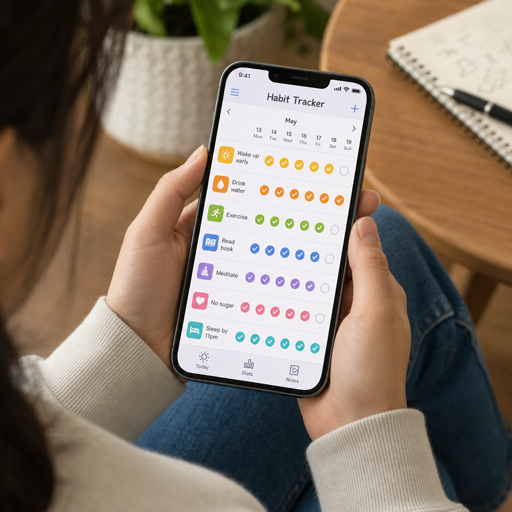
Gamified habit trackers solve the motivation gap between deciding to change and remembering to act when real life gets busy. They make small wins obvious, give you a reason to return, and help you notice patterns before a habit disappears. Research summaries from the American Psychological Association note that frequent progress monitoring is linked with greater goal success, and habit guidance often emphasizes starting small and focusing on one behavior at a time. (apa.org)
That matters because most habits do not fail from lack of ambition. They fail because the reward is too delayed, the cue is unclear, or the routine is too large for a normal day. A good app shortens that feedback loop: you complete the action, check it off, see progress, and feel a small sense of completion.
The appeal of gamified tracking in 2026
The best gamified habit trackers 2026 are not just digital sticker charts. They blend behavioral design with familiar game mechanics: streaks, levels, unlocks, progress bars, characters, challenges, and social accountability. Done well, gamified tracking makes improvement feel less like self-punishment and more like a repeatable system.
Habitica is the classic example. It presents real-life tasks through a role-playing game structure, with habits, dailies, to-dos, rewards, punishments, customization, and social features. Its own positioning describes it as a free productivity and habit-building app that treats real life like a game. (habitica.com)
Other habit tracking apps take a gentler route. Finch combines daily goals, reflections, breathing exercises, and self-care activities with a virtual bird you care for, making it feel more nurturing than competitive. (finchcare.com) Streaks keeps the loop simpler: complete tasks, extend streaks, and use customization to make repeating behaviors easier to see. (streaksapp.com)
Gamification techniques that make habits stick
Gamification techniques work best when they support the habit instead of distracting from it. The goal is not to turn your life into a productivity casino. The goal is to make the next good action easier, clearer, and more satisfying.
Useful techniques include:
- Streaks: Helpful for daily or near-daily behaviors such as reading, walking, or flossing. The risk is perfectionism, so choose apps that allow rest days or flexible schedules when needed.
- Points and experience: Useful when the habit itself is boring but valuable, such as cleaning, admin tasks, or language drills.
- Levels and unlocks: Strong for long-term motivation because they make progress feel cumulative.
- Virtual pets or avatars: Great for people who respond to emotional connection, care, and visual feedback.
- Quests and challenges: Best when you need novelty, community, or a short-term push.
- Custom rewards: Useful when you want to link effort to meaningful treats, such as guilt-free leisure time, a hobby purchase, or a relaxing evening.
- Visual progress bars: Ideal for people who feel motivated by seeing unfinished progress move toward completion.
The most effective fun habit trackers usually combine immediate feedback with realistic goals. If an app rewards you for doing a two-minute version of a habit, it can help you stay consistent on low-energy days. If it only celebrates perfect completion, it may quietly train you to quit after one missed day.
Where dopamine fasting apps fit in
Dopamine fasting apps are better understood as digital boundary tools, not literal dopamine detox tools. Harvard Health has criticized the “dopamine fasting” label as a misunderstanding of neuroscience, and Cleveland Clinic similarly explains that the trend can misrepresent how dopamine and the brain work. (health.harvard.edu)
In practical terms, though, many people use the phrase to mean “I want fewer compulsive digital loops.” That is where apps like Opal, Freedom, one sec, and Forest-style focus tools become useful. They introduce friction before you open a distracting app, block websites during focus sessions, or make distraction feel less automatic.
Opal focuses on reducing screen time through sessions, schedules, time limits, open limits, and block screens for selected apps or websites. (help.opalapp.com) Freedom lets users block distracting websites, apps, or even the internet across devices, with sessions and custom blocklists. (support.freedom.to) one sec uses an intervention before opening selected apps, encouraging you to pause and decide whether you really want to continue. (tutorials.one-sec.app)
These tools pair naturally with gamified habit trackers. One app helps you build the behavior you want. The other reduces the pull of behaviors you are trying to interrupt.
Choosing the best gamified habit trackers 2026 for your style
There is no single best app for everyone. The right choice depends on what motivates you, what drains you, and how much structure you want. Before downloading five different habit tracking apps, decide what kind of feedback you actually enjoy.
Consider these practical matches:
- For role-playing motivation: Choose an RPG-style tracker like Habitica if quests, avatars, gear, pets, and party accountability make boring tasks feel more alive.
- For emotional encouragement: Choose a self-care pet app like Finch if you want habits, reflections, breathing, and gentle check-ins wrapped in a friendly experience. (finchcare.com)
- For clean streak tracking: Choose a minimalist tracker like Streaks if you mostly want simple completion, flexible repetition, widgets, icons, and fast check-ins. (apps.apple.com)
- For focus sessions: Choose Forest-style or blocker-based tools if your main habit is staying off your phone while studying, writing, or working.
- For screen-time reduction: Choose Opal, Freedom, or one sec if the issue is not tracking a habit but interrupting automatic app use. (help.opalapp.com)
A simple rule helps: use a habit tracker when you need reinforcement, and use a blocking app when you need friction. If you need both, pair one of each instead of expecting a single tool to solve every behavior.
When do Habitica alternatives make more sense?
Habitica alternatives make more sense when you like gamified habit trackers but do not want a full RPG system. Some people love equipment, quests, party damage, and character progression. Others find those same features distracting, stressful, or too complex for everyday use.
This is why searches like “habitica alternatives gamified habit trackers” are common. People often want the motivating parts of gamification without the entire game world. If that sounds like you, look for apps with lighter mechanics: streaks, rewards, progress charts, pets, badges, or focus timers.
You may prefer an alternative if:
- You want encouragement without penalties.
- You prefer visual calm over fantasy themes.
- You need private tracking rather than social accountability.
- You want wellness prompts, journaling, or mood check-ins.
- You care more about blocking distractions than earning points.
- You want a tracker that takes seconds to update.
The best choice is the one you will still open when your motivation is average. An app that feels exciting for three days but exhausting by week two is not a habit system. It is another abandoned project.
A balanced setup for habits and digital restraint
Gamified tracking and dopamine fasting apps can work together when each has a clear job. Think of the tracker as the “build” tool and the blocker as the “protect” tool. One rewards the routine you want, while the other protects your attention from the routine you do not want.
Try this setup:
- Pick one keystone habit. Start with something small enough to complete on a bad day, such as reading one page, walking for five minutes, or opening your study notes.
- Choose one tracker. Use a gamified app if rewards motivate you, a streak app if simplicity motivates you, or a self-care app if encouragement motivates you.
- Define the minimum win. Make the smallest acceptable version count. This keeps momentum alive when life is messy.
- Add one digital boundary. Block or delay the app most likely to steal the time needed for your habit.
- Review weekly, not hourly. Look for patterns. If you keep missing the same habit, reduce the size or change the cue.
- Reward consistency, not intensity. A sustainable routine beats a dramatic burst that disappears.
This structure keeps the system humane. You are not trying to become a machine. You are making your environment slightly friendlier to the person you want to become.
Common mistakes to avoid
The first mistake is tracking too much. When every tiny behavior becomes a quest, your habit tracker turns into homework. Start with three to five meaningful habits at most, then expand only when the system feels easy.
The second mistake is choosing punishment-heavy mechanics when you respond better to compassion. Some users feel energized by consequences. Others shut down. If penalties make you anxious, choose fun habit trackers that emphasize progress, recovery, and positive reinforcement.
The third mistake is treating a dopamine fasting app as a cure-all. Blocking Instagram or YouTube may create space, but you still need a replacement behavior. If you remove scrolling without adding rest, movement, social connection, or focused work, boredom will likely push you back toward the same loop.
The fourth mistake is chasing the perfect app instead of refining the habit. Apps can make behavior easier, but they cannot decide your priorities. If you keep switching tools, pause and ask whether the problem is the software, the goal size, or the environment around the habit.
What to look for before committing
Before you pay for a subscription or move your whole routine into one platform, test the app for a week. A good habit app should feel easy on normal days and forgiving on hard days. It should reduce friction, not add administrative work.
Use this checklist:
- The app makes your next action obvious.
- Completing a habit takes only a few taps.
- Rewards feel motivating but not manipulative.
- Missed days do not destroy your sense of progress.
- The design matches your personality.
- Notifications are helpful rather than nagging.
- Privacy settings and data use are easy to understand.
- The free or trial version is enough to judge the workflow.
- The app supports the habits you actually care about.
If an app passes that test, keep using it long enough to gather real feedback. If it fails, do not force it. There are enough gamified habit trackers available that you can choose one that fits your brain instead of fighting it.
The takeaway
Gamified habit trackers can make self-improvement more visible, playful, and repeatable. Dopamine fasting apps can help protect your attention by adding friction to the digital behaviors that pull you off course. Neither category is magic, and “dopamine detox” is not a literal brain reset, but both can be useful when used with realistic expectations.
The smartest approach is simple: build one small habit, reward it quickly, reduce one major distraction, and review what actually happens. When your system feels light enough to keep using, progress stops depending on willpower alone—and starts becoming part of your day.