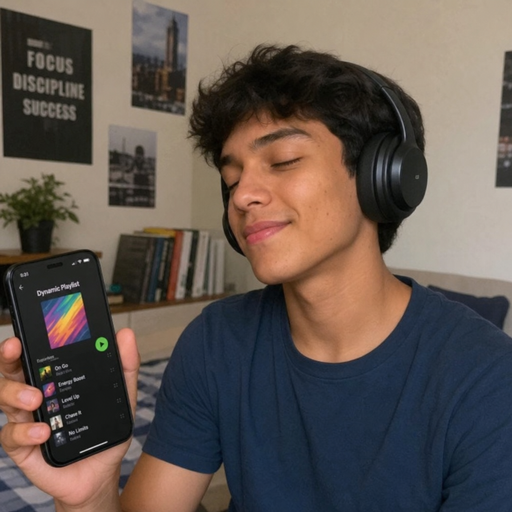
Hyper-personalized audio streaming uses listener data, contextual signals, and AI-assisted curation to shape audio experiences around an individual in real time. Instead of offering the same playlist to everyone in a broad mood or genre category, it can adapt to a person’s habits, setting, preferences, and intent. Generative playlists take this further by creating dynamic listening sessions that feel purpose-built, whether the listener wants focus music, a commute mix, a workout soundtrack, or a discovery feed that still feels familiar.
What is hyper-personalized audio streaming?
Hyper-personalized audio streaming is an advanced form of personalized audio that moves beyond basic recommendations like “because you played this artist.” It uses a richer understanding of the listener, including behavior patterns, skipped tracks, repeat plays, time of day, device type, location context when available, and stated preferences. The goal is to make audio feel less like a static catalog and more like a responsive service that understands what the listener is likely to want next.
Traditional personalization usually groups people by taste clusters. Hyper-personalization narrows the focus to the individual moment. A listener may enjoy upbeat pop on Friday evening, ambient instrumentals while working, podcasts during a morning routine, and nostalgic tracks while traveling. A strong system learns that these are not contradictions; they are different use cases within the same person’s audio life.
Generative playlists are one of the most visible expressions of this shift. They can assemble, refresh, and reorder audio based on intent instead of relying only on fixed editorial lists. In some cases, they may also use generative AI to interpret prompts, create descriptive playlist themes, or help bridge gaps between genres, moods, and activities.
Why personalized audio matters for listeners and platforms
Personalized audio matters because listeners often want choice without the burden of endless searching. A streaming catalog can contain more content than any person could reasonably browse, so the experience depends on how well the service filters that abundance. When personalization works, it reduces friction, increases discovery, and makes each session feel more relevant.
For listeners, the practical benefit is simple: less time hunting and more time listening. A well-tuned recommendation system can surface the right song, podcast episode, audiobook chapter, or soundscape at the right moment. It can also help users find new creators without forcing them too far outside their comfort zone.
For streaming platforms, hyper-personalized audio streaming can support stronger engagement. If the experience feels useful every time someone opens the app, they have more reasons to return. For artists, podcasters, and audio creators, better personalization can help the right audience find their work, especially when discovery is not limited to charts or major promotional placements.
How generative playlists work
Generative playlists typically combine user signals, content metadata, machine learning, and real-time feedback. The system starts with what it knows: listening history, saved tracks, followed creators, favorite genres, preferred languages, typical session length, and interactions such as likes, skips, replays, or manual playlist additions. Then it weighs those signals against the listener’s current context.
A generative playlist may be built around a prompt, a mood, a routine, or an inferred need. For example, “calm electronic music for deep work” is more specific than “electronic.” A good system interprets that request as a blend of tempo, energy, vocals, familiarity, novelty, and duration. It may avoid jarring transitions, prioritize instrumental tracks, and refresh selections over time so the playlist does not become stale.
Common signals used in personalization
A useful personalization engine may consider:
- Listening behavior: completed plays, skips, repeats, saves, and session length.
- Preference signals: liked content, blocked artists, followed shows, and manual playlist edits.
- Contextual cues: time of day, day of week, device, activity mode, or location settings if the user allows them.
- Audio features: tempo, energy, loudness, mood, instrumentation, speech presence, and genre markers.
- Content relationships: similar artists, shared audiences, playlist co-occurrence, and creator categories.
- Freshness: new releases, recently added episodes, seasonal listening patterns, and catalog updates.
The strongest systems do not treat every signal equally. A skipped track during a workout may mean something different from a skipped track during a quiet evening session. Hyper-personalization depends on interpreting behavior in context rather than flattening every action into a permanent taste profile.
The building blocks of a better listening experience
A successful personalized audio experience balances prediction, control, and surprise. If the system only repeats what the listener already knows, it becomes boring. If it pushes too much unfamiliar content, it can feel random or intrusive. The best generative playlists create a sense of flow while leaving room for discovery.
Relevance without repetition
Relevance is not the same as sameness. A listener who loves one acoustic artist may not want ten nearly identical songs in a row. Generative playlist design should account for variety in tempo, texture, era, creator, and emotional tone. This keeps the session coherent without making it monotonous.
Discovery with guardrails
Discovery works best when it has a reason. A platform might introduce a new artist because the listener enjoys a related sound, follows similar creators, or often saves tracks with comparable characteristics. The recommendation should feel like a thoughtful next step, not a random advertisement inserted into the session.
User control and transparency
Hyper-personalized systems should still give users meaningful control. Clear actions such as “play more like this,” “hide this,” “change mood,” or “refresh playlist” help the listener guide the experience. Even small explanations, such as indicating that a track appears because of a saved artist or chosen activity, can make personalization feel more trustworthy.
What should brands and creators consider?
Brands and creators should treat hyper-personalized audio as a way to match content with intent, not just as a distribution tactic. The opportunity is to create audio that fits real listening moments: learning, relaxing, commuting, training, cooking, sleeping, or catching up on news. When content is labeled, structured, and positioned clearly, personalization systems have a better chance of matching it to the right audience.
For music creators, this may mean thinking about mood, use case, and sonic identity in addition to genre. For podcasters, it may mean clear episode titles, consistent topic descriptions, and formats that help listeners understand what they will get. For brands, it may mean developing audio assets that respect the listener’s context rather than interrupting it.
A practical checklist includes:
- Define the primary listening moment your content supports.
- Use clear titles and descriptions that reflect the actual experience.
- Maintain consistent metadata across episodes, tracks, or audio assets.
- Create variations for different moods, lengths, or audience needs when appropriate.
- Avoid misleading labels that may attract the wrong listeners and increase skips.
- Pay attention to feedback signals, including completion, saves, shares, and drop-off points.
Privacy, consent, and trust shape the future
Personalization depends on data, which means trust is central to the experience. Listeners may appreciate relevant recommendations, but they also want to know that their information is handled responsibly. Clear consent, understandable settings, and privacy-conscious defaults are not just compliance concerns; they influence whether users feel comfortable with deeper personalization.
Platforms should avoid making personalization feel invasive. There is a difference between “this playlist fits my evening routine” and “this service knows too much about me.” The line can vary by person, so user controls matter. People should be able to adjust recommendation inputs, clear history, opt out of certain data uses, or reset parts of their profile when their tastes change.
Bias and diversity are also important. If a system only reinforces past behavior, it may narrow exposure over time. Healthy personalization should include pathways to new voices, independent creators, different regions, and unexpected but relevant formats.
Best practices for designing generative playlists
Generative playlists should be built for usefulness first. The technology is impressive, but listeners judge the result by how it feels in the moment. A playlist that starts strong, flows naturally, and responds to feedback will outperform one that merely sounds personalized in theory.
Key practices include:
- Start with intent. Build around what the listener wants to do or feel, not only around genre.
- Blend familiar and new content. Anchor the session with known preferences, then introduce discovery gradually.
- Respect session context. A five-minute break, a two-hour work block, and a long drive need different pacing.
- Use feedback quickly. Skips, saves, and replays should refine the session without overreacting to one action.
- Keep transitions smooth. Energy, tempo, and tone changes affect whether the playlist feels coherent.
- Offer easy correction. Let listeners steer the experience without forcing them to rebuild from scratch.
The future of personalized audio
The future of personalized audio will likely be more conversational, adaptive, and multimodal. Listeners may increasingly describe what they want in natural language, then receive a playlist, station, or mixed audio experience shaped around that request. Over time, systems may become better at understanding not just taste, but purpose.
For users, that means audio experiences that feel more immediate and less manual. For platforms and creators, it raises the standard for relevance, metadata quality, privacy, and creative positioning. Hyper-personalized audio streaming is not simply about smarter recommendations; it is about designing listening experiences that respond to people as their needs change throughout the day.
The best outcome is not a world where algorithms choose everything. It is a more helpful audio environment where human taste, creator intent, and intelligent systems work together to make listening easier, richer, and more personal.