Smart living technology is no longer about filling a house with gadgets just because they exist. It is about making everyday routines simpler, safer, more comfortable, and more energy-aware through systems that work together. From smart home devices inside the house to connected pool and outdoor living features, the future of home life is becoming more intuitive without needing to feel complicated.
What does smart living really mean today?
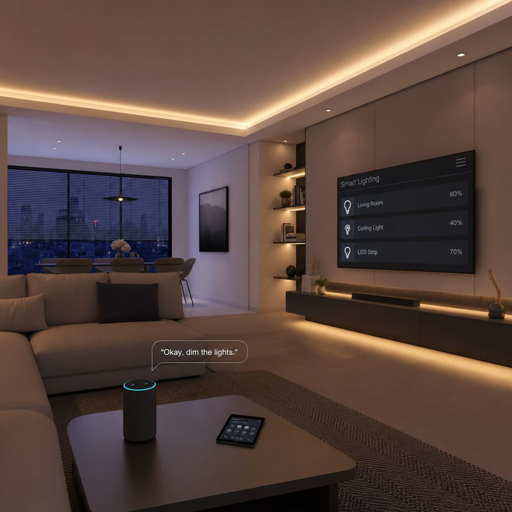
Smart living means using connected tools, sensors, automation, and digital controls to make a home respond more intelligently to the people who live there. The best intelligent living solutions do not demand constant attention; they quietly support daily life by adjusting lighting, managing temperature, improving security, streamlining entertainment, and helping homeowners control key systems from one place.
The shift is important because people are not simply buying tech for homes anymore. They are building connected living spaces that feel natural. A smart thermostat is useful, but it becomes more valuable when it works with occupancy sensors, window coverings, lighting schedules, and energy preferences. A video doorbell is helpful, but it becomes part of a larger lifestyle when it connects with locks, outdoor lights, and household alerts.
In other words, smart living and technology work best when the technology fades into the background.
The move from gadgets to connected ecosystems
Early smart home devices often worked as individual products. One app controlled the lights, another controlled the thermostat, and another handled the security camera. That was convenient in theory, but frustrating in practice.
The next stage of smart living technology is centered on ecosystems. Instead of asking homeowners to manage every device separately, modern systems are designed to coordinate routines across multiple areas of the home. A “good night” scene might lock the doors, dim the lights, lower the temperature, turn off downstairs entertainment systems, and activate selected cameras with one command or schedule.
This is where smart technology for creating connected living spaces with minimal complexity becomes especially valuable. The goal is not to impress guests with a wall of controls. The goal is to reduce friction, remove repetitive tasks, and create a home environment that responds predictably.
A well-planned ecosystem usually includes:
- A central control layer, such as an app, hub, voice assistant, or integrated home platform.
- Reliable connectivity, including strong Wi-Fi coverage and compatible device standards.
- Practical automations, such as lighting schedules, climate routines, and safety alerts.
- Expandable design, so new devices can be added without rebuilding the entire setup.
- Privacy and access controls, especially for cameras, locks, speakers, and shared household accounts.
When these pieces are planned together, smart living feels less like a technical project and more like a lifestyle upgrade.
Everyday comfort is the real innovation
The most exciting advances are not always the flashiest. Often, the most useful smart living technology improves small daily moments.
Lighting can shift from bright task lighting in the morning to warm evening tones that help the home feel calmer. Climate control can adapt to routines rather than running at the same setting all day. Smart blinds can reduce glare, protect furniture from harsh sunlight, and support indoor comfort. Appliances can send reminders, run more efficiently, or help manage household chores with less guesswork.
These upgrades matter because comfort is cumulative. A single automation may save only a minute, but a home full of thoughtful automations can reduce mental clutter. Instead of repeatedly checking locks, lights, garage doors, filters, and timers, homeowners can set preferences and receive alerts only when attention is needed.
That is the heart of intelligent living solutions: practical support without constant interruption.
How can smart homes stay simple instead of overwhelming?
Smart homes stay simple when they are planned around real routines rather than random devices. Start with the problems you actually want to solve, choose compatible products, and build in phases so each addition has a clear purpose.
A practical way to begin is to focus on one area of daily life. For example, someone who wants better security may start with smart locks, a doorbell camera, motion lighting, and entry alerts. Someone who wants comfort may begin with a thermostat, smart shades, and adaptive lighting. Someone who entertains often may prioritize speakers, outdoor lighting, pool controls, and scene settings.
Before adding new smart home devices, ask:
- What routine will this improve? If the answer is vague, the device may not be necessary.
- Will it work with what I already own? Compatibility prevents app overload.
- Can everyone in the home use it easily? A system should not depend on one tech-savvy person.
- What happens if the internet goes down? Essential functions should still have manual options.
- How will privacy be managed? Cameras, microphones, and access permissions deserve extra care.
Simple smart homes are not less advanced. They are better designed.
Outdoor living is becoming smarter too
Smart living is moving beyond the front door. Patios, gardens, pools, and outdoor kitchens are becoming extensions of the connected home, especially as homeowners look for flexible spaces to relax, entertain, and spend more time outside.
Outdoor smart technology can include weather-responsive lighting, automated irrigation, app-controlled grills, landscape audio, motion sensors, robotic pool cleaning, smart pool pumps, and water feature controls. These tools help outdoor areas feel polished while reducing the work needed to maintain them.
Search interest around the best outdoor living pool designs with smart technology 2025 2026 reflects a broader trend: people want outdoor spaces that are beautiful, efficient, and easier to manage. A pool area, for instance, can combine LED lighting, automated covers, temperature controls, safety alerts, and scheduling features. When these systems are connected, the homeowner can prepare the space for an evening swim or weekend gathering without manually adjusting every element.
Smart outdoor design ideas with lasting appeal
The strongest outdoor concepts blend technology into the design instead of making it the center of attention. A sleek control panel, hidden speakers, low-profile lighting, and discreet sensors can preserve the look of a relaxing outdoor retreat while still delivering modern convenience.
Consider these ideas when planning a smarter outdoor space:
- Layered lighting: Use path lights, pool lights, accent lights, and patio fixtures to create different moods for dining, swimming, or quiet evenings.
- Automated pool management: Connect pumps, heaters, covers, and cleaners where possible to simplify maintenance routines.
- Climate-aware comfort: Add smart fans, misting systems, heaters, or shade controls to make the space usable across more seasons.
- Entertainment zones: Integrate weather-resistant audio and outdoor displays carefully, so the space works for both parties and peaceful downtime.
- Safety-first features: Use motion lighting, gate alerts, cameras, and pool sensors to support awareness around active outdoor areas.
The goal is not to turn the backyard into a showroom. It is to make outdoor living easier to enjoy.
Security, privacy, and trust belong in the conversation
As smart technology becomes more integrated, security and privacy become part of good design. A connected home may include cameras, locks, microphones, location-based routines, and personal usage data. These features can be helpful, but they should be configured thoughtfully.
Homeowners should use strong passwords, enable multi-factor authentication when available, update device software, and review who has access to shared apps. Guest access should be limited and temporary when possible. Devices that record audio or video should be placed intentionally, with household members aware of how they are used.
This is not a reason to avoid smart living technology. It is a reminder that convenience and control should grow together. A well-managed system gives homeowners confidence, not anxiety.
Choosing the right path forward
Smart living does not require a complete renovation or a huge collection of devices. Many homes can become smarter through small, strategic upgrades that build over time. The best starting point is usually the area where convenience, comfort, safety, or energy awareness would make the biggest difference.
For some households, that may mean better lighting and climate control. For others, it may mean security, elder-friendly automation, connected appliances, or a smarter backyard. The right plan depends on lifestyle, budget, home layout, and how much automation the household actually wants.
A sensible smart living checklist includes:
- Identify the top three routines you want to improve.
- Choose one main platform or control method when possible.
- Prioritize compatibility over novelty.
- Keep manual controls for essential systems.
- Review privacy settings during setup and after major updates.
- Add devices gradually, testing each one before expanding.
Smart living works best when it feels personal. Technology should serve the home, not dominate it.
The takeaway
The future of smart living is not about more screens, more apps, or more complexity. It is about intelligent living solutions that make homes more responsive, comfortable, secure, and enjoyable. Whether you are exploring indoor automation, practical tech for homes, or outdoor upgrades inspired by connected pool and patio design, the smartest choice is the one that fits naturally into everyday life.
As smart home devices become easier to connect and manage, homeowners have more freedom to design spaces that support how they actually live. Start with clear goals, keep the system simple, and let smart living technology make the home feel more effortless one improvement at a time.