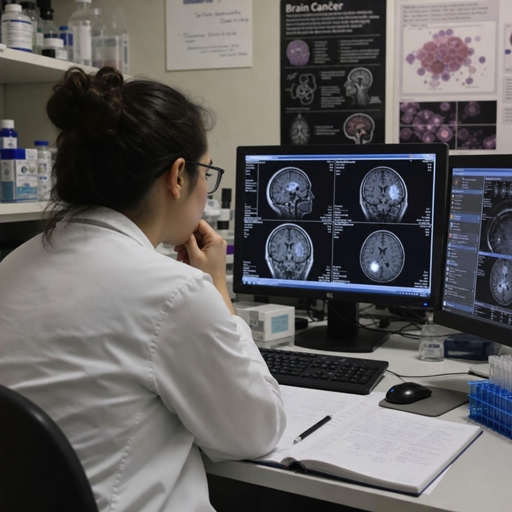
Vitamin B3, also known as niacin, is being studied as a possible add-on to standard treatment for glioblastoma, an aggressive brain cancer that remains extremely difficult to control. Early research is encouraging, but it does not mean niacin is a cure or that patients should self-dose with supplements. The real story is more careful—and more useful: scientists are asking whether a common nutrient can help restore immune activity when used under strict medical supervision.
What vitamin are researchers studying for glioblastoma?
Researchers are studying high-dose vitamin B3, specifically controlled-release niacin, as an addition to surgery, radiation, and chemotherapy for newly diagnosed glioblastoma. This brain cancer vitamin approach is not ordinary dietary supplementation; it uses medically monitored doses far above what people get from food or a standard multivitamin. In a University of Calgary–led phase I-II study, niacin was tested alongside standard care to evaluate safety, dosing, and early signals of benefit.
That distinction matters. Vitamin B3 is common in the diet, but the study is not saying that eating more niacin-rich foods or taking over-the-counter pills will fight brain cancer. It is testing a controlled treatment strategy in a defined group of patients, with lab work, imaging, dose limits, and clinician oversight built into the protocol.
Why glioblastoma remains so difficult to treat
Glioblastoma is challenging because it grows aggressively and can infiltrate surrounding brain tissue, making complete surgical removal difficult. Standard treatment for newly diagnosed glioblastoma generally includes maximal safe surgery, followed by radiation therapy with temozolomide chemotherapy, and then additional temozolomide cycles when appropriate. Even after intensive treatment, the disease often returns, which is why brain cancer research continues to explore new combinations and supportive strategies.
Another difficulty is the tumor’s relationship with the immune system. Many cancers find ways to avoid immune attack, and glioblastoma is known for creating a local environment that can weaken or redirect immune responses. The niacin research is interesting because it focuses not on replacing standard treatment, but on whether immune cells can be “rearmed” so they function more effectively alongside existing therapies.
How might niacin support the immune response?
The scientific idea behind niacin in glioblastoma is that vitamin B3 may help restore the activity of certain immune cells that the tumor has suppressed. Earlier laboratory and animal work suggested that niacin could stimulate anti-tumor immune responses, including effects involving myeloid cells such as monocytes and macrophages. That preclinical signal helped justify moving the concept into a human trial, where safety and early clinical outcomes could be studied more carefully.
This is why the phrase “vitamin therapy cancer” needs nuance. In cancer care, a vitamin can be a nutrient, a supplement, or a drug-like intervention depending on dose, formulation, purpose, and monitoring. The glioblastoma trial falls into the last category: niacin is being investigated as a controlled adjunct to standard oncology treatment, not as a stand-alone natural remedy.
What did the early clinical trial find?
The interim results reported a promising six-month progression-free survival signal, but the study is still early and not definitive. In the phase I portion, researchers evaluated dose escalation and reported flushing as the most common side effect; dose-limiting toxicities occurred at 2,500 mg per day, and 2,000 mg per day was identified as the ongoing recommended phase II dose. In the interim phase II analysis, 24 evaluable patients had a reported six-month progression-free survival of 82.3%, compared with a historical control benchmark of 53.9%.
A simple snapshot helps keep the findings in perspective:
- Vitamin studied: Vitamin B3 as controlled-release niacin.
- Cancer type: Newly diagnosed glioblastoma.
- Treatment setting: Added to standard care, not used alone.
- Main early goal: Evaluate safety, dosing, and six-month progression-free survival.
- Key caution: Small, early-stage, non-final results need confirmation in larger studies.
- Practical takeaway: Encouraging brain cancer research, not a reason to self-medicate.
The University of Calgary report notes that researchers hope to continue enrollment and complete a final analysis after more participants are included. Until larger, controlled data are available, the findings should be understood as a reason for further study rather than proof that niacin improves survival for all patients with glioblastoma.
Safety matters more than the word “vitamin”
The word “vitamin” can make a therapy sound harmless, but high-dose niacin can cause real side effects. The NIH Office of Dietary Supplements notes that high intakes of niacin from supplements or medications can cause adverse effects, and different forms of vitamin B3 have different safety profiles. In the glioblastoma trial, the dose was escalated under medical supervision, and researchers specifically monitored toxicity.
This is especially important for people receiving chemotherapy, radiation, steroids, anti-seizure medications, blood thinners, diabetes medications, or other treatments. The National Cancer Institute warns that supplements and complementary products can interact with cancer drugs, alter how drugs are processed, or increase the risk of unwanted effects. Patients should tell their oncology team about every supplement, tea, powder, vitamin, or herbal product they use or are considering.
A brain cancer diet still has a supportive role
A brain cancer diet cannot cure glioblastoma, but nutrition can still support strength, treatment tolerance, wound healing, and quality of life. During cancer treatment, the goal is often practical: maintain enough calories, protein, fluids, and essential micronutrients while managing symptoms such as nausea, taste changes, constipation, fatigue, or appetite loss. The American Cancer Society notes that extra protein may be needed after surgery, chemotherapy, or radiation to help with tissue repair and infection defense.
That is different from relying on cancer prevention vitamins or high-dose supplements after diagnosis. A food-first pattern can provide brain health nutrients—such as B vitamins, omega-3 fats, minerals, fiber, and phytonutrients—without the risks that can come with concentrated pills. When a deficiency is present, a clinician or oncology dietitian may recommend targeted supplementation, but the safest plan is individualized.
Practical nutritional support during cancer care
Use this checklist as a conversation starter with a cancer care team or registered dietitian:
- Ask before adding supplements. Bring the exact product label, dose, and brand to appointments.
- Prioritize protein. Eggs, fish, poultry, dairy, beans, tofu, and protein drinks can help when appetite is low.
- Stay flexible. During treatment, tolerated foods may matter more than following a perfect diet.
- Watch for interactions. Antioxidant supplements, herbs, extracts, and megadose vitamins may not be safe during chemotherapy or radiation.
- Check deficiencies properly. Bloodwork can help guide vitamin D, B12, iron, or other nutrition decisions.
- Report side effects early. Weight loss, swallowing trouble, vomiting, or severe fatigue can change nutrition needs quickly.
This kind of nutritional support cancer plan is not glamorous, but it can be deeply useful. It focuses on keeping the body nourished enough to get through treatment, rather than chasing an unproven shortcut.
What should patients and families take from this research?
Patients and families should take hope from the niacin study, but not a do-it-yourself treatment plan. The early findings suggest that a common vitamin, used in a specific high-dose controlled-release form, may have a role in future glioblastoma care if larger studies confirm benefit and safety. That is very different from assuming any brain cancer vitamin supplement will produce the same effect.
For anyone facing glioblastoma, the best next step is a careful conversation with the treating neuro-oncology team. Useful questions include: Is there a clinical trial appropriate for this diagnosis? Are any supplements unsafe with current treatment? Would an oncology dietitian help with weight, appetite, or side effects? These questions keep the focus where it belongs: evidence-based treatment, safe supportive care, and informed choices.
The takeaway
Vitamin B3 is one of the more intriguing nutrition-related leads in current glioblastoma research, but it is still research. The promise lies in a medically supervised strategy that may help immune cells respond more effectively—not in ordinary supplement use or a self-directed high-dose regimen. For now, niacin should be viewed as a developing area of brain cancer research, while nutrition should remain grounded in safe, personalized support guided by qualified clinicians.