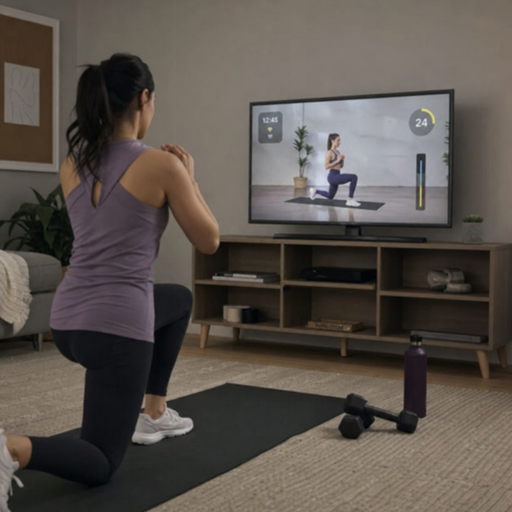
A connected smart gym brings workout equipment, performance data, guided programming, and progress tracking into one coordinated fitness experience. Instead of using separate machines, notebooks, apps, and fitness tracking devices that do not always communicate with each other, these systems help users train with more structure and visibility. The best setup is not simply the one with the most features; it is the one that makes workouts easier to start, easier to measure, and easier to repeat consistently.
What should a connected smart gym system include?
A connected smart gym system should combine intelligent workout equipment, digital coaching, connected workout tracking, and a clear way to review progress over time. For many users, that means a compact all-in-one station, a companion app, connected sensors, and personalized workout recommendations based on goals, strength level, or completed sessions. The most useful smart gym systems with connected workout tracking reduce guesswork without making the workout feel complicated.
A strong system usually includes:
- Connected resistance or cardio equipment that records training activity.
- Integrated workout tracking for reps, sets, load, pace, duration, or effort.
- Guided programs that help users follow a plan instead of improvising every session.
- Progress dashboards that show trends in performance and consistency.
- Compatibility with fitness tracking devices or health apps when users want a broader view of activity.
- Adjustable difficulty so beginners and experienced users can use the same platform.
1. All-in-one training stations save space and simplify routines
All-in-one fitness systems are popular because they can replace several pieces of traditional equipment with one more organized setup. A single station may support strength training, guided workouts, mobility work, and sometimes cardio-style conditioning depending on the design. This makes connected smart gym systems especially useful for homes, apartments, personal training studios, workplace wellness rooms, and compact commercial fitness spaces.
The practical benefit is convenience. When the equipment, screen, resistance, and workout plan are already connected, users do not need to move between multiple machines or build every workout from scratch. That lower friction can make it easier to train regularly, especially for people who have limited time or limited room.
For SEO-focused buyers comparing options, the key phrase is not just “smart gym technology.” It is the complete experience: equipment that fits the space, tracks the session, and supports repeatable training habits.
2. Integrated workout tracking turns effort into usable feedback
Connected smart gym systems with integrated workout tracking help users understand what they actually did during a workout. Instead of relying on memory, the system can log completed exercises, training volume, resistance changes, workout duration, or other available metrics. That record gives users a clearer view of consistency and performance.
This matters because fitness progress is often hard to judge session by session. A workout may feel productive, but without tracking, it is difficult to know whether training is becoming more structured over time. Smart gym systems connected workout tracking can help users compare recent sessions, notice patterns, and decide when to repeat, adjust, or progress a workout.
Useful tracking features may include:
- Exercise history by day or program
- Resistance, weight, or intensity records
- Rep and set summaries when supported by the equipment
- Workout completion rates
- Personal bests or trend highlights
- Notes, ratings, or perceived effort prompts
The best tracking tools are easy to review. If the data is too cluttered, users may ignore it. A clear dashboard that shows what changed and what to do next is often more valuable than a long list of raw numbers.
3. Smart resistance makes strength training more adaptable
Many smart gym systems use digital, magnetic, cable-based, or electronically controlled resistance instead of traditional stacks of plates or loose weights. The exact mechanism varies by product, but the goal is similar: make resistance easier to adjust and easier to track. This can be helpful for people who want strength training without filling a room with benches, racks, bars, and dumbbells.
Intelligent workout equipment can also support quick changes between movements. For example, a user might move from a row to a press to a squat pattern without manually loading plates or searching for the right dumbbell pair. That smoother flow can make sessions more efficient and less intimidating.
Smart resistance is especially useful when paired with progressive programming. If the system remembers a user’s recent settings, it can make the next workout feel more personalized. The user still needs to train with safe form and appropriate effort, but the technology helps reduce setup time.
4. Guided coaching helps users train with more confidence
One of the biggest benefits of connected smart gym systems is guidance. Many people own fitness equipment but do not always know what to do with it. A guided smart gym can provide workout structure, exercise demonstrations, rest timing, and suggested progression.
This is where smart gym technology becomes more than a screen attached to equipment. Good guidance helps users choose workouts that match their goals, whether they want general fitness, strength, conditioning, mobility, or a balanced routine. It can also help beginners avoid the common problem of doing random exercises without a plan.
Look for guidance that is easy to follow during the session. A useful system should answer questions such as:
- What exercise comes next?
- How many reps or how much time should I complete?
- How long should I rest?
- What resistance or intensity should I start with?
- How do I adjust if the movement feels too easy or too hard?
Guided coaching is not a replacement for medical advice or individualized in-person instruction, but it can make everyday training more approachable.
5. Personalized programs make the system feel less generic
Personalization is one of the main reasons people choose smart gym systems with connected workout tracking. A generic workout library can be useful, but a system that adapts to goals, available time, ability level, and completed sessions feels more practical. It helps users answer the common question: “What should I do today?”
Personalized programming may be based on user inputs, workout history, selected goals, or preferred training styles. Some systems may suggest a plan for strength, endurance, flexibility, or general wellness. Others may let users build routines manually while still recording progress.
The benefit is consistency. When a user does not have to design every workout, there are fewer barriers to starting. Over time, the connected workout tracking can make the plan feel more informed because past activity becomes part of the training record.
6. Device compatibility creates a fuller fitness picture
Connected smart gym systems often work best when they can communicate with other fitness tracking devices or apps. A smart gym may track the workout itself, while a wearable or mobile app may track steps, heart rate, sleep, or general activity. When these tools work together, users can see more of their fitness routine in one place.
Compatibility is not only about collecting more data. It is about reducing fragmentation. If a user strength trains on one platform, runs with another app, and wears a daily activity tracker, connected data can help them understand how different parts of their routine fit together.
Before choosing a system, users should check whether it supports the devices or apps they already use. This is especially important for households with multiple users, training studios with different member preferences, or anyone who wants long-term records to be easy to access.
7. Compact design supports home and hybrid fitness spaces
Space is often the deciding factor when choosing between traditional gym equipment and connected smart gym systems. A compact all-in-one system can make home training more realistic, especially in spare rooms, bedrooms, garages, offices, or shared living areas. The cleaner the setup, the easier it is to keep the equipment accessible.
A good compact system should still leave room for safe movement. Users need enough clearance for pulling, pressing, stepping, stretching, and changing positions. Wall-mounted, freestanding, foldable, or modular designs may solve different space problems depending on the room.
When evaluating space needs, consider:
- The footprint of the equipment when stored and in use
- Ceiling height and side clearance
- Floor protection or matting needs
- Screen visibility from different exercise positions
- Cable range, bench space, or accessory storage
- Noise level for apartments or shared homes
The right smart gym system should fit real life, not just look impressive in a product photo.
8. Multi-user profiles make smart gyms more practical for households
A connected smart gym becomes more valuable when more than one person can use it without mixing up data. Multi-user profiles allow each person to keep separate workout history, resistance preferences, goals, and progress tracking. This is important in homes, small studios, and wellness spaces where users may have very different fitness levels.
Separate profiles also make the workout experience feel more personal. A beginner should not have to reset every workout after an advanced user finishes. Likewise, someone returning to exercise after a break should be able to follow an appropriate plan without competing against another person’s training history.
For families or shared spaces, this feature can be as important as the equipment itself. Connected workout tracking only stays useful when the data belongs to the right person.
9. Motivation features help users keep returning
Fitness equipment only works when people use it consistently. Smart gym technology often includes motivation features designed to make training feel more engaging. These may include streaks, reminders, achievements, progress visuals, live classes, on-demand sessions, or scheduled programs.
The most effective motivation features are the ones that support the user’s actual routine. A reminder can help someone show up, but a clear program helps them know what to do once they arrive. A progress chart can be encouraging, but it should connect to meaningful training actions, not just create pressure.
Useful motivation features include:
- Simple weekly goals
- Progress summaries after each workout
- Program milestones
- Optional notifications
- Workout variety to reduce boredom
- Recovery or lighter-day options when available
Motivation should feel supportive, not overwhelming. The best connected smart gym systems help users build momentum without turning every workout into a competition.
10. Safety and usability matter as much as advanced features
A smart gym system can have impressive technology and still be frustrating if it is hard to use. Safety, setup, accessibility, and everyday usability should be part of the decision. Users should be able to start a workout, adjust settings, understand instructions, and stop or modify a movement without confusion.
Good usability includes clear controls, stable equipment design, comfortable accessories, readable screens, and straightforward onboarding. For strength-based systems, users should understand how resistance is applied and how to adjust it safely. For guided programs, instructions should be clear enough to follow while exercising.
A simple buying checklist can help:
- Confirm the system supports your main training goals.
- Measure the room and movement clearance before buying.
- Review how connected workout tracking works.
- Check whether multiple profiles are included if needed.
- Confirm compatibility with preferred fitness tracking devices.
- Look for beginner-friendly guidance if you are new to structured training.
- Consider how easy the system is to clean, store, and maintain.
- Choose equipment you can realistically use several times per week.
Advanced features are helpful only when they support better workouts. If the system feels too complex, users may stop using the very tools meant to help them.
How do you choose the right connected smart gym system?
Choose the system that best matches your space, goals, budget range, preferred training style, and comfort with technology. A strength-focused user may care most about intelligent workout equipment and resistance progression, while a beginner may value guided programs and easy setup. Someone who already uses fitness tracking devices may prioritize app compatibility and connected workout history.
Start by defining the main job the system needs to do. Do you want to replace a gym membership-style strength setup, add structured workouts at home, support multiple users, or create a compact training corner? Once that purpose is clear, it becomes easier to compare features without being distracted by extras.
A practical decision process looks like this:
- Set the primary goal: strength, general fitness, mobility, conditioning, or a mix.
- Match the equipment to the room: compact systems are only useful if they fit safely.
- Prioritize tracking clarity: data should help you make decisions, not confuse you.
- Check program quality: guided workouts should match your current ability.
- Think about long-term use: choose a system that feels easy to return to after busy weeks.
Connected smart gym systems with integrated workout tracking are most valuable when they make training simpler, more measurable, and more consistent. The right all-in-one fitness system should help you know what to do, record what you did, and encourage you to keep building from there.