Eco-friendly HFO thermal insulation is a modern approach to high-performance building insulation that uses hydrofluoroolefin-based blowing agents to support strong thermal efficiency with a reduced environmental profile. For builders, designers, facility managers, and homeowners, it offers a practical way to improve comfort, reduce energy waste, and make insulation sustainability part of a broader green building strategy.
What makes HFO insulation more eco-friendly?
HFO insulation is considered more eco-friendly because it is designed to deliver high insulating performance while using blowing agents with a lower climate impact than many older foam technologies. In practical terms, this means the insulation can help reduce heating and cooling demand over the life of a building while also addressing the environmental footprint of the material itself. It is not “impact-free,” but it can be a meaningful step toward more environmentally friendly insulation when specified, installed, and managed responsibly.
Hydrofluoroolefin, often shortened to HFO, refers to a class of blowing agents used in certain foam insulation products. The blowing agent helps create the cellular structure that traps air or gas inside the foam, which is what gives the material its insulating power. Older foam systems often relied on blowing agents that raised environmental concerns, particularly around global warming potential. HFO-based systems were developed to help reduce those concerns while preserving the performance benefits that make foam insulation attractive.
That balance is important. Sustainable insulation is not only about what a product is made from. It is also about how well it performs, how long it lasts, how much energy it helps save, whether it supports healthy installation practices, and what happens when the building is renovated or demolished. Eco-friendly HFO thermal insulation belongs in that bigger conversation.
The role of insulation in lower-impact buildings
Insulation sits quietly inside walls, roofs, floors, and mechanical spaces, but it has a direct effect on how a building uses energy every day. Poorly insulated buildings lose conditioned air faster, forcing heating and cooling equipment to run longer. Better insulation slows that transfer, helping indoor temperatures stay more stable with less mechanical effort.
This is where thermal efficiency becomes more than a technical phrase. A thermally efficient building can feel more comfortable, cost less to operate, and place less strain on HVAC systems. When insulation is selected thoughtfully, it can support both environmental goals and everyday comfort.
Green insulation decisions usually consider several connected factors:
- Thermal performance: How effectively the material slows heat transfer.
- Air sealing potential: Whether it helps reduce drafts, gaps, and uncontrolled air movement.
- Moisture behavior: How it performs in assemblies where condensation, humidity, or bulk water may be concerns.
- Material impact: The environmental profile of the ingredients, blowing agents, manufacturing, and disposal.
- Durability: Whether the insulation continues performing over time without sagging, settling, or degrading prematurely.
- Installation quality: Whether the product can be applied safely and consistently by trained professionals.
No single factor tells the whole story. A natural material with poor installation can underperform, while a high-performance foam used in the wrong assembly can create moisture or indoor air quality issues. Insulation sustainability depends on the full system.
HFO technology supports performance and sustainability goals
HFO-based foam insulation is often chosen because it can provide strong R-value in limited space. R-value measures resistance to heat flow, and higher values generally mean better insulating ability for a given thickness. In buildings where wall depth, roof space, or retrofit conditions limit how much insulation can be added, high-performance foam can be useful.
This matters in both new construction and upgrades. In a new home or commercial building, designers may use HFO insulation to meet energy goals without dramatically changing wall or roof dimensions. In retrofit projects, it can help improve hard-to-insulate areas where bulky materials are difficult to fit.
HFO insulation may also contribute to air sealing when used in spray foam applications. Air leakage can undermine insulation performance because moving air carries heat and moisture through gaps. A product that insulates and seals at the same time can simplify the building envelope strategy, though detailing still matters. Penetrations, rim joists, rooflines, transitions, and mechanical openings all need careful attention.
The sustainability value of HFO technology is strongest when the material is used where its performance advantages are needed. That might include:
- Tight building envelopes where air control is a priority.
- Roof or wall assemblies with limited cavity depth.
- Renovations where access is restricted.
- Commercial facilities that need durable insulation in demanding conditions.
- Projects seeking eco insulation options without sacrificing thermal performance.
Used thoughtfully, eco-friendly HFO thermal insulation can help reduce operational energy demand while aligning with greener material choices.
Where HFO thermal insulation is commonly used
HFO-based insulation can appear in several product forms, including spray polyurethane foam and rigid foam board products. The right form depends on the building type, assembly design, budget, climate, and installation conditions. Choosing the product is less about chasing a label and more about matching the material to the job.
Walls and building envelopes
In exterior walls, HFO insulation can help create a tighter and more thermally consistent envelope. Spray foam may be used inside wall cavities, while rigid boards may be installed as continuous exterior insulation. Continuous insulation is especially useful because it helps reduce thermal bridging, which occurs when framing members or other conductive elements allow heat to bypass cavity insulation.
For projects focused on environmentally friendly insulation, walls are a high-impact area because they represent a large portion of the building shell. A well-insulated wall system can improve comfort near exterior surfaces, reduce drafts, and help heating and cooling equipment perform more predictably.
Roofs, attics, and ceilings
Roofs and attics are critical because heat often moves aggressively through these areas. In warm climates, roof assemblies can absorb solar heat. In cold climates, warm indoor air can escape upward if air sealing and insulation are weak. HFO foam may be considered where high R-value, air sealing, or moisture control are important.
That said, roof assemblies must be designed carefully. Ventilation strategy, vapor control, climate zone, roof deck materials, and local code requirements all influence whether spray foam, rigid foam, or another sustainable insulation option is appropriate. A product that works well in one roof design may not be ideal in another.
Foundations, basements, and crawl spaces
Below-grade and near-grade areas introduce moisture and durability challenges. Rigid foam products may be used along foundation walls or under slabs, depending on the system. Spray foam may be used at rim joists or crawl space walls to help control air leakage and improve comfort above.
In these areas, green insulation should still be paired with drainage, waterproofing, vapor management, and pest considerations. Insulation alone cannot solve foundation moisture problems. It works best as one layer in a well-planned enclosure.
Is HFO insulation the same as sustainable insulation?
HFO insulation can be part of a sustainable insulation strategy, but the two terms are not identical. “HFO” describes a type of blowing-agent technology, while “sustainable insulation” describes a broader goal that includes energy performance, material impact, durability, health considerations, and end-of-life planning. A product can use HFO technology and still need to be evaluated in the context of the entire building.
This distinction helps avoid greenwashing. Eco-friendly does not mean perfect. It means the product has characteristics that may reduce environmental harm compared with less responsible alternatives. For HFO insulation, the key advantage is often the lower-impact blowing agent combined with strong thermal performance.
A well-rounded insulation sustainability review should ask:
- Does the insulation suit the climate and assembly? The best material depends on heat flow, moisture risk, and local building practices.
- Will it reduce operational energy use? Insulation should help the building consume less energy over time.
- Is the installation method appropriate? Poor application can reduce performance and create problems.
- Are health and safety practices clear? Installers should follow product guidance, ventilation requirements, and protective measures.
- Can the product last? Durable performance supports sustainability by reducing replacement and repair needs.
- How does it fit with other materials? Air barriers, vapor retarders, cladding, roofing, and mechanical systems all affect results.
This broader view keeps the decision practical. Instead of asking whether one product is universally “green,” the better question is whether it helps the specific project perform better with fewer long-term impacts.
Benefits that matter beyond the product label
The appeal of eco-friendly HFO thermal insulation is not limited to environmental messaging. Its real value appears when performance, comfort, and durability come together inside a functioning building.
One major benefit is improved thermal consistency. Gaps, voids, and thermal bridges can create hot and cold spots that make rooms uncomfortable even when the thermostat appears to be set correctly. Properly installed insulation helps stabilize surface temperatures and reduce those uneven conditions.
Another benefit is energy resilience. Buildings with better envelopes are less dependent on constant mechanical conditioning. During hot afternoons, cold nights, or temporary HVAC setbacks, they can maintain indoor comfort more effectively. This can be especially valuable as building owners look for practical ways to reduce energy waste without sacrificing usability.
HFO insulation may also support smaller or more efficient mechanical system design when incorporated early in the planning process. If a building envelope reduces heating and cooling loads, the HVAC system can be selected based on better load calculations. This is not automatic, but it is an important design opportunity.
The broader benefits can include:
- More stable indoor temperatures across seasons.
- Reduced drafts and uncontrolled air movement when air sealing is addressed.
- Better use of limited wall, roof, or retrofit space.
- Potential support for energy-code or green-building goals.
- Improved comfort in rooms near exterior walls, roofs, or floors.
- A lower-impact foam option compared with older blowing-agent approaches.
These benefits depend heavily on correct specification and installation. Green insulation is only as effective as the system it becomes part of.
Choosing environmentally friendly insulation with confidence
Selecting insulation can feel complicated because every product has tradeoffs. Fiberglass, mineral wool, cellulose, cork, wood fiber, sheep’s wool, rigid foam, and spray foam can all play useful roles. HFO-based foam is one option among many, and it should be chosen for the situations where its advantages justify its use.
A good decision begins with the building’s needs. Is the main problem heat loss, air leakage, condensation risk, limited space, noise, fire resistance, or retrofit access? Once the performance priorities are clear, it becomes easier to compare materials honestly.
Use this checklist before choosing an eco insulation product:
- Define the assembly: Identify whether the insulation will be used in walls, rooflines, attics, slabs, foundations, or mechanical areas.
- Clarify the performance target: Know the required R-value, air sealing goals, and code requirements.
- Review moisture risks: Consider climate, vapor movement, drainage, and drying potential.
- Ask for environmental documentation: Look for available product data, environmental declarations, or manufacturer information.
- Confirm installer experience: HFO spray foam and other foam products require proper handling and application.
- Plan around occupants: For occupied buildings, discuss timing, ventilation, access, and re-entry guidance.
- Think long term: Consider durability, repairability, and how the insulation will perform as the building ages.
This process keeps the focus on results rather than buzzwords. The best environmentally friendly insulation for a project is the one that performs reliably, supports the building design, and reduces avoidable impact.
What should you ask before installing HFO insulation?
Before installing HFO insulation, ask how the product fits the building assembly, what performance it is expected to deliver, and what installation conditions are required for safe, reliable results. You should also ask whether the installer has experience with the specific product and whether the manufacturer’s instructions, local code requirements, and ventilation practices will be followed. These questions help protect both the environmental value and the finished performance of the project.
Useful questions include:
- What type of HFO insulation is being recommended, and why?
- Is this product intended for open cavities, closed cavities, exterior continuous insulation, roof decks, or foundation areas?
- What R-value will be achieved at the proposed thickness?
- How will air sealing, vapor control, and moisture management be handled?
- Are there temperature, humidity, or substrate requirements during installation?
- What preparation is needed before work begins?
- How will overspray, trimming, cleanup, and waste be managed?
- What guidance applies for ventilation and occupancy during and after installation?
- Are there alternative sustainable insulation options that should be considered?
A reputable contractor or product representative should be able to explain the reasoning in plain language. If the answer is only “because it is green insulation,” that is not enough. The recommendation should connect the material to the building’s actual needs.
Installation quality determines real-world performance
Even high-quality insulation can underperform when installed poorly. Voids, compression, missed penetrations, incorrect thickness, uneven coverage, or trapped moisture can reduce effectiveness. With foam products, installation conditions and applicator skill are especially important because the material is created or placed on site.
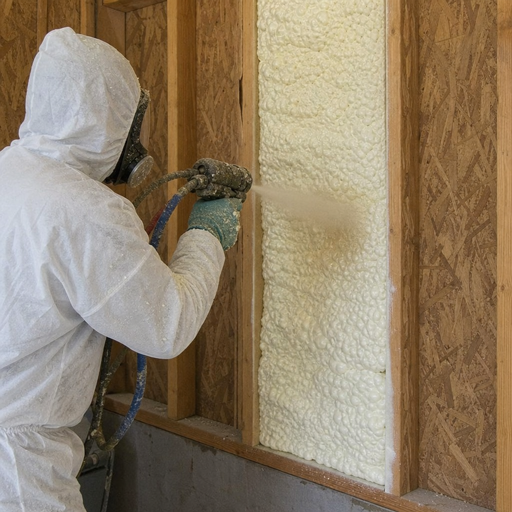
For spray foam, the installer must manage equipment settings, substrate conditions, application thickness, and curing behavior. For rigid foam, the crew must pay attention to seams, fasteners, transitions, and compatibility with surrounding materials. In both cases, the details around windows, doors, framing connections, ducts, pipes, and electrical penetrations can determine whether the assembly performs as intended.
This is why insulation should not be treated as a simple commodity. The product matters, but the design and workmanship matter just as much. A strong project team will coordinate insulation with air barriers, weather barriers, flashing, HVAC design, and interior finishes.
A balanced view of green insulation choices
Eco-friendly HFO thermal insulation offers a compelling combination: modern blowing-agent technology, strong thermal efficiency, and practical use in demanding building assemblies. It can be especially valuable when space is limited, air sealing is needed, or energy performance is a high priority.
Still, the most sustainable choice is rarely based on one material characteristic. Some projects may benefit from cellulose because of recycled content. Others may favor mineral wool for fire resistance and vapor openness. Some may use a hybrid approach, combining exterior rigid insulation, cavity insulation, and targeted air sealing to get the best result.
HFO insulation fits well into this flexible mindset. It is not a universal replacement for every other material, but it can be a smart part of a high-performance envelope. The goal is not to choose the trendiest product. The goal is to create buildings that use less energy, last longer, feel better, and make more responsible use of materials.
The takeaway for better building decisions
Eco-friendly HFO thermal insulation gives builders and property owners another way to align comfort, energy performance, and environmental responsibility. When selected for the right application and installed with care, it can support sustainable insulation goals while improving the thermal performance of walls, roofs, foundations, and retrofit areas.
The smartest approach is to evaluate the whole building, not just the product label. Ask how the insulation will manage heat, air, moisture, durability, and long-term impact. That broader view turns eco insulation from a marketing phrase into a practical building strategy that supports healthier, more efficient, and more resilient spaces.