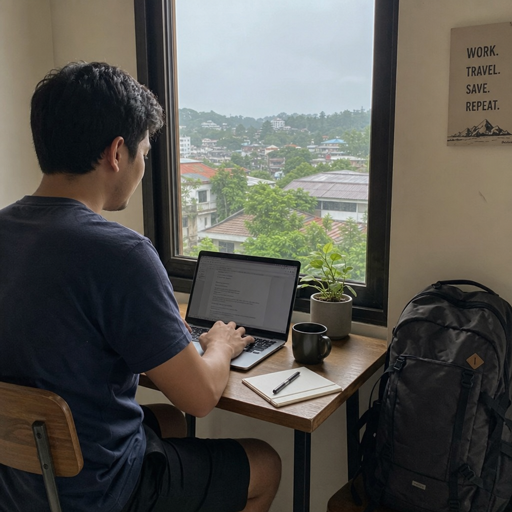
The digital nomad lifestyle is about designing work around mobility, flexibility, and personal choice. It blends remote work with travel, allowing people to work from anywhere while experiencing new places, cultures, and routines. Done well, it is not a permanent vacation; it is a thoughtful way to build a career, protect your work-life balance, and create a life that feels both productive and expansive.
What does the digital nomad lifestyle really mean?
The digital nomad lifestyle means earning an income remotely while living in different places for short or extended periods. Some people move every few weeks, while others spend several months in one location before continuing on. The common thread is location independence: your work is not tied to one office, one commute, or one fixed daily environment.
That freedom can be exciting, but it also asks for structure. Travel and work only blend smoothly when you have reliable systems for communication, deadlines, time zones, internet access, money management, and rest. Without those systems, the lifestyle can quickly become stressful instead of liberating.
At its best, nomadic living gives you room to choose the environment that supports your season of life. You might spend a month by the coast to recharge, settle into a walkable city for creative focus, or stay near a community of other remote workers for connection. The goal is not to escape responsibility, but to shape responsibility around a wider, more intentional life.
Freedom works best with a plan
The dream of becoming a global nomad often starts with images of laptops on balconies, morning swims, and scenic train rides between cities. Those moments can be real, but they are only one part of the picture. The less visible side includes planning calls across time zones, checking Wi-Fi before booking accommodation, budgeting carefully, and building routines in unfamiliar places.
A plan does not make the experience less adventurous. It gives your adventure a stable foundation. When your work tools, schedule, finances, and travel rhythm are organized, you can actually enjoy the freedom you have created.
Before you begin, consider a few practical questions:
- What kind of work can you do remotely? Freelancing, employment, consulting, content creation, design, coding, teaching, support, and many other roles can fit, but each one has different demands.
- How stable is your income? A financial cushion can reduce pressure when travel costs change or projects slow down.
- How often do you want to move? Slower travel usually makes it easier to focus, build habits, and avoid burnout.
- What environments help you do your best work? Some people need quiet apartments, while others thrive in coworking spaces or cafés.
- What personal responsibilities need attention? Health care, taxes, insurance, family commitments, and documentation should be considered before you go.
These questions are not meant to discourage you. They help turn a romantic idea into a workable lifestyle.
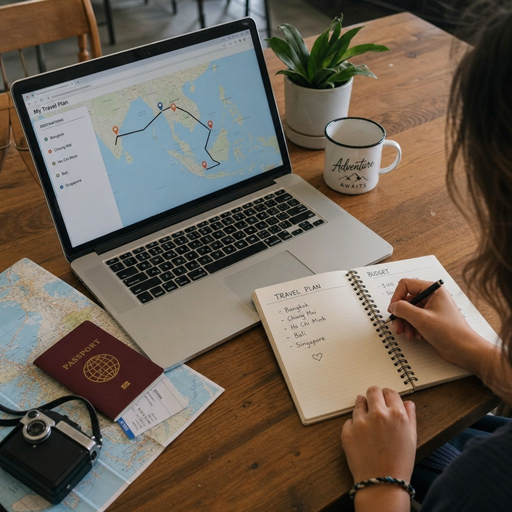
Remote work tips for smoother days on the road
Successful digital nomads tend to rely on simple habits that reduce friction. The right approach will depend on your job, personality, and destination, but a few remote work tips apply almost everywhere.
Start by separating work time from exploration time. It is tempting to treat every day like an open invitation, but constant flexibility can make it hard to finish deep work. Blocking your calendar, setting daily priorities, and choosing specific “offline” windows can help you stay present in both work and travel.
A dependable setup also matters. You do not need a complicated collection of gear, but you do need tools that support your work. A lightweight laptop, comfortable headphones, backup chargers, cloud storage, and a secure way to access important accounts can prevent small problems from becoming major disruptions.
Use this basic work-from-anywhere checklist before changing locations:
- Confirm internet quality before booking. Read recent reviews, ask the host or hotel, and identify nearby backup options.
- Check time zone overlap. Make sure meetings, deadlines, and team communication remain realistic.
- Prepare a backup work spot. Find a coworking space, library, or quiet café before you need one.
- Protect your focus. Use calendar blocks, notifications, and task lists to limit distractions.
- Communicate clearly. Let clients or teammates know your availability, especially if your schedule changes.
- Keep key files accessible. Store essential documents safely and make sure you can access them from more than one device.
The more you remove uncertainty from your workday, the more space you create for the joy of travel.
How can digital nomads protect work-life balance?
Digital nomads protect work-life balance by creating boundaries that travel alone cannot provide. Location freedom does not automatically lead to a healthier life; in fact, it can blur the line between work, rest, and exploration if every café, apartment, and airport becomes an office. Balance comes from deciding when you are working, when you are recovering, and when you are fully experiencing the place you came to see.
One helpful habit is to design a daily rhythm before the day begins. You might work in focused morning blocks, take a long afternoon walk, and reserve evenings for calls or personal time. Another person might prefer late-night work sessions and slow mornings. The specific schedule matters less than the consistency behind it.
Rest is especially important because travel adds invisible effort. Navigating a new city, translating signs, finding groceries, adjusting to weather, and managing transportation all use mental energy. If you ignore that energy cost, you may wonder why you feel tired even when life looks exciting from the outside.
To maintain balance, try building these practices into your routine:
- Choose slower travel when possible. Staying longer in one place lowers decision fatigue and gives you time to settle in.
- Create a shutdown ritual. Close your laptop, review tomorrow’s priorities, and intentionally end the workday.
- Schedule exploration like you schedule meetings. Treat personal experiences as part of the lifestyle, not an afterthought.
- Protect sleep and movement. Good rest and regular activity help stabilize your mood and productivity.
- Stay connected to people who know you well. Calls with friends and family can keep you grounded when places change quickly.
Freedom is more sustainable when it includes recovery.
Choosing destinations that support your work and life
Choosing where to go is one of the most enjoyable parts of nomadic living, but it should not be based on scenery alone. A destination may look beautiful and still be difficult for your work style, budget, health needs, or preferred pace. The best places for you are the ones that support both your responsibilities and your curiosity.
Think beyond the postcard. Consider internet reliability, cost of living, safety, transportation, climate, local workspaces, community, visa rules, and how easy it is to maintain your routines. A mountain town may be perfect for deep focus but isolating if you need networking. A major city may offer energy and opportunity but become draining if noise and high costs affect your concentration.
It helps to match destinations to your current season:
|
If you need… |
Look for… |
Why it helps |
|---|---|---|
|
Deep focus |
Quiet neighborhoods, stable Wi-Fi, longer stays |
Fewer distractions and easier routines |
|
Community |
Coworking spaces, meetups, walkable areas |
More chances to build friendships and professional connections |
|
Recovery |
Nature access, slower pace, comfortable housing |
Better conditions for rest and reflection |
|
Creative energy |
Culture, cafés, galleries, public spaces |
Fresh inputs and daily inspiration |
|
Lower stress |
Simple transport, clear communication options, flexible bookings |
Fewer logistical problems competing with work |
A good destination is not universally perfect. It is well matched to what you need right now.
The emotional side of becoming a global nomad
The global nomad identity can feel empowering because it expands your sense of what life can look like. You learn to adapt, solve problems, make friends in unexpected places, and become more comfortable with uncertainty. Over time, the world may start to feel less like a map of distant destinations and more like a set of possible homes.
Still, this lifestyle can bring loneliness, decision fatigue, and occasional disorientation. Moving often means saying goodbye often. You may miss birthdays, familiar routines, favorite local spots, or the ease of being fully understood without explaining your choices.
Acknowledging those challenges does not make you ungrateful. It makes you realistic. A healthy digital nomad lifestyle includes emotional maintenance, not just professional productivity.
Consider building anchors that travel with you:
- A morning or evening routine that feels familiar anywhere
- A few portable hobbies, such as reading, drawing, photography, or fitness
- Regular check-ins with close friends or family
- A personal budget review at the same time each week
- A habit of joining local groups, classes, or coworking events
- A simple reflection practice to process what you are learning
These anchors make change feel less chaotic. They remind you that freedom does not require constant reinvention.
Money, responsibility, and realistic expectations
A sustainable digital nomad lifestyle requires more than a laptop and a destination wish list. Financial responsibility is what keeps the lifestyle flexible instead of fragile. Before you rely on remote income while traveling, it is wise to understand your average monthly costs, emergency savings, income stability, and any professional or legal obligations connected to your work.
Avoid building your plan around the cheapest possible version of life. Low costs can help, but unexpected expenses are part of travel. Flights change, devices break, accommodations disappoint, and health needs can arise. A realistic budget gives you options when things do not go according to plan.
It is also important to understand that rules vary by country, region, employer, and type of work. Visas, taxes, insurance, business registration, and employment policies can be complex. Rather than guessing, research requirements carefully and seek qualified guidance when your situation calls for it.
A practical financial routine might include:
- Tracking fixed and flexible monthly expenses
- Keeping emergency savings separate from travel funds
- Reviewing subscriptions and business tools regularly
- Saving for taxes or professional costs where relevant
- Using secure payment methods and backup cards
- Planning for slower income periods if you freelance or run a business
Money does not have to be the center of the lifestyle, but it should never be ignored. The more stable your foundation, the more confidently you can explore.
Building a personal version of nomadic living
There is no single correct way to travel and work. Some digital nomads are full-time travelers. Others keep a home base and take extended work trips. Some move internationally; others explore within their own country. Some travel solo, while others build this life with partners, families, or friends.
The most fulfilling version is the one that fits your values, energy, work demands, and relationships. If constant movement feels exciting for a while and exhausting later, you can slow down. If you love a place, you can stay longer. If you miss having a base, you can create one without giving up the freedom to leave again.
Instead of asking whether you are doing the lifestyle “correctly,” ask better questions:
- Does this rhythm help me do good work?
- Do I have enough rest, connection, and stability?
- Am I choosing places intentionally or chasing novelty?
- Is my travel supporting my life, or distracting me from it?
- What would make the next month feel more balanced?
These questions keep the lifestyle personal rather than performative. They help you build a life that looks good from the inside, not just in photos.
Small first steps make the lifestyle easier to test
You do not have to sell everything, book a one-way flight, or transform your life overnight. In fact, testing the lifestyle in smaller steps can teach you more than a dramatic leap. Try working from another city for a week, extending a vacation with a few remote workdays, or spending a month somewhere with strong infrastructure and minimal time zone stress.
A trial run reveals practical truths quickly. You learn how you work outside your usual environment, what you overpacked, how much alone time you need, and whether your current job setup supports mobility. You may also discover that you prefer slower travel, familiar regions, or seasonal movement rather than continuous relocation.
For a simple first experiment, choose one destination and plan around work first:
- Pick dates that do not conflict with major deadlines.
- Book accommodation with a comfortable workspace.
- Confirm internet and backup options.
- Keep your normal work schedule for the first few days.
- Add exploration around your energy level, not the other way around.
- Review what worked, what felt difficult, and what you would change.
This approach keeps the stakes low while giving you real information. Confidence grows through practice.
The real freedom is intentional choice
Digital nomadism is not simply about movement. It is about having more choice in how you spend your days, where you place your attention, and what kind of environment helps you thrive. The most successful digital nomads are not the ones who visit the most places; they are the ones who build a rhythm that supports their work, relationships, health, and curiosity.
If you want to work from anywhere, start by creating the systems that make anywhere workable. Build routines, protect your focus, manage your money, research your responsibilities, and leave space for rest. Then let travel become what it can be at its best: not an escape from real life, but a richer way to live it.