Internet culture phenomena are the jokes, habits, trends, rituals, and shared references that shape how people behave online. They move through digital culture quickly because they are easy to remix, easy to recognize, and often tied to a feeling people already understand. This list breaks down the major forces behind viral memes, online communities, internet challenges, and the broader connection between internet life and pop culture.
How do internet culture phenomena spread?
Internet culture phenomena spread when people can instantly understand the idea, personalize it, and pass it on with minimal effort. A meme, challenge, phrase, or format becomes powerful when it gives users a simple way to signal identity, humor, frustration, belonging, or taste. The more flexible the format is, the more likely it is to jump between platforms, subcultures, and eventually mainstream pop culture.
10 internet culture phenomena that shape digital culture
1. Viral memes turn shared context into shorthand
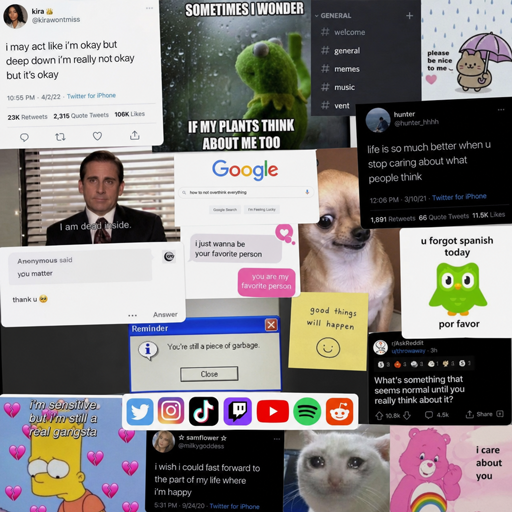
Viral memes are one of the clearest signs of meme evolution because they compress a mood, opinion, or situation into a format people can reuse. A meme might begin as an image, phrase, clip, or reaction, but its real power comes from repetition with variation. Each remix adds a layer of meaning, making the format feel familiar while still leaving room for surprise.
For online communities, memes also work as social passwords. If someone understands the reference, they feel included. If they do not, the meme quietly marks the boundary between insiders and outsiders.
2. Reaction formats make emotion instantly shareable
Reaction images, GIFs, short clips, and screenshots give people a fast way to respond without writing a full explanation. They are useful because online communication often lacks facial expression, tone, and timing. A well-chosen reaction can signal sarcasm, disbelief, delight, embarrassment, or exhaustion in one glance.
This is why reaction formats survive across platforms. They reduce effort while increasing emotional clarity. In digital culture, that combination is hard to beat.
3. Internet challenges turn participation into performance
Internet challenges spread because they invite people to do something visible: dance, transform an outfit, answer a prompt, attempt a task, or recreate a format. The appeal is not only the activity itself. It is the chance to join a shared moment and show a personal version of it.
Some internet challenges are playful and harmless, while others can become risky or exclusionary. The practical rule is simple: participation should not depend on danger, humiliation, or pressure. The best challenges are accessible, creative, and easy to adapt.
4. Niche communities create their own language
Online communities often develop phrases, abbreviations, jokes, values, and posting rituals that make sense only inside the group. This language helps members feel seen and speeds up communication. A few words can carry years of shared history.
These microcultures matter because many broader internet culture phenomena begin in small spaces. A joke from a forum, fandom, group chat, gaming server, or creator community can move outward when outsiders find it funny, useful, or strangely compelling.
5. Fandoms turn media consumption into collaboration
Fandoms are not passive audiences. They analyze stories, create edits, write theories, make art, organize events, and keep older pop culture moments alive long after their original release. This activity can expand the life of a show, game, artist, book, or character.
Fandom also shows how digital culture changes ownership of meaning. A creator may release the original work, but communities often build the ongoing conversation around it. That conversation can become its own cultural object.
6. Algorithmic trends reward recognizable formats
Many platforms reward content that people quickly watch, understand, save, share, or recreate. As a result, internet culture often favors recognizable formats: the same sound, caption structure, editing rhythm, visual setup, or punchline pattern. Familiarity lowers friction.
This does not mean originality disappears. Instead, creativity often happens inside constraints. People compete to make the smartest, funniest, most beautiful, or most specific version of a format everyone already knows.
7. Mainstream pop culture borrows from online behavior
Pop culture and internet culture now constantly feed each other. Songs, films, fashion, sports moments, celebrity interviews, and brand campaigns can become meme material almost immediately. At the same time, online slang, creator aesthetics, and fan practices influence mainstream entertainment.
This exchange can be exciting, but it can also flatten context. When a niche joke becomes commercial content, it may lose the community meaning that made it work. Smart creators and brands pay attention to origin, tone, and audience before borrowing a trend.
8. Online personas make identity more flexible
People often present different versions of themselves across platforms. A professional profile, private group chat, gaming account, fan account, and short-form video feed may all show different tones and interests. This flexibility is a central part of digital culture.
Online personas can be creative and freeing. They let people test humor, style, opinions, and community roles. But they also require judgment, because screenshots, search, and platform overlap can collapse separate audiences into one.
9. Collective humor helps people process uncertainty
A lot of internet humor responds to stress, awkwardness, boredom, disappointment, or social change. Memes can make difficult feelings easier to name. They create a sense of “you too?” that can be comforting, even when the joke is cynical.
This is why some viral memes feel less like jokes and more like cultural weather reports. They reveal what people are anxious about, amused by, tired of, or ready to reject. The joke becomes a public mood board.
10. Remix culture keeps old ideas moving
Remix culture is the engine behind meme evolution. Users take existing material and change the caption, context, audio, pacing, framing, or meaning. A format can disappear, return ironically, mutate into something new, or become attached to a completely different community.
The practical lesson is that internet culture is rarely final. A trend may look finished, but a clever remix can revive it. Online meaning stays alive because people keep editing it.
Where should you start when reading internet culture?
Start by looking at context, not just the trend itself. Ask where the format came from, who is using it, what emotion it carries, and why people want to repeat it. This approach helps you understand internet culture phenomena without treating every viral moment as random noise.
Use this quick checklist when evaluating a trend:
- Origin: Did it begin in a niche community, creator circle, fandom, or mainstream event?
- Format: Is it a phrase, image, sound, challenge, edit style, or behavior?
- Emotion: Does it express joy, irony, anger, nostalgia, embarrassment, or belonging?
- Participation: Can people easily make their own version?
- Context risk: Could using it outside the original community feel forced or disrespectful?
- Longevity: Is it a passing joke, a reusable format, or a sign of a deeper cultural shift?
Internet culture moves fast, but it is not meaningless. The strongest phenomena reveal how people connect, perform identity, build community, and turn everyday feelings into shared digital language.